
“Security today is no longer defined solely by borders, armies, or military power. It is increasingly measured by the resilience of our communities, the strength of our institutions, and our ability to respond collectively to emerging global challenges.”
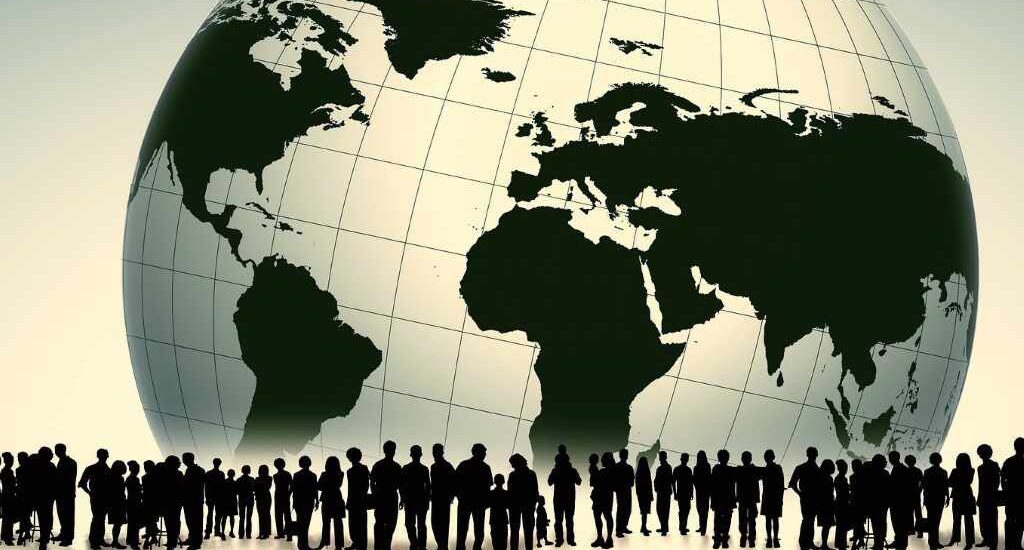
The world is entering an era where security challenges are more interconnected than ever before. A cyberattack in one country can disrupt financial systems across continents. A drought can trigger food shortages, migration, and conflict. Misinformation shared on social media can undermine elections, while artificial intelligence is transforming both innovation and modern warfare.
For Africa, these developments present a defining moment. The continent is home to one of the world’s youngest populations, rapidly growing economies, and abundant natural resources. Yet it also faces armed conflicts, violent extremism, cybercrime, climate insecurity, political instability, and humanitarian crises that threaten sustainable development.
At Wem’ Afrika, we believe that understanding these challenges is the first step toward building resilient communities and preparing future leaders to respond effectively.
Security Beyond the Battlefield
Traditionally, security focused on protecting national borders. Today, security is much broader. It includes protecting people, institutions, economies, digital infrastructure, and the environment.
Modern security therefore encompasses:
- Human Security
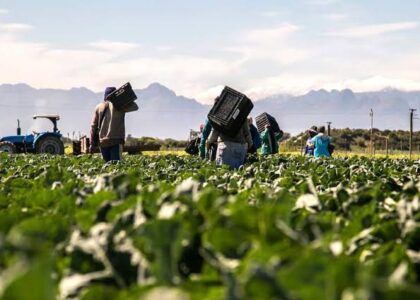
- Food Security
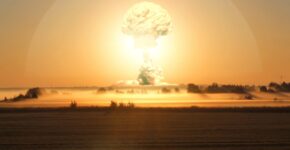
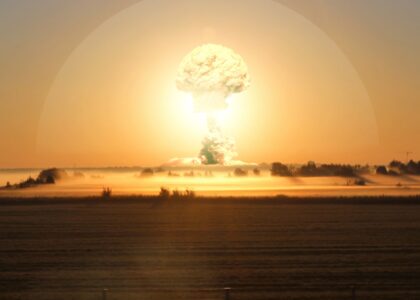
- Nuclear Security
- Cybersecurity
- Environmental Security
- Economic Security
- Health Security
Each of these areas is interconnected. A crisis in one can quickly affect the others.
Terrorism and Violent Extremism Continue to Evolve
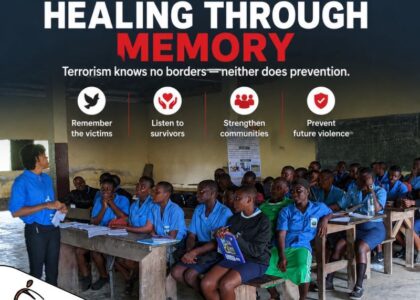
Violent extremist organizations remain one of the most pressing security concerns worldwide. Groups such as ISIS affiliates, Boko Haram, Al-Shabaab, and other extremist organizations continue to exploit weak governance, poverty, and instability to recruit vulnerable populations and destabilize communities. These threats extend beyond conflict zones, affecting regional cooperation, economic development, and humanitarian access.
However, responding to terrorism requires more than military action. Investing in education, youth empowerment, community resilience, and inclusive governance is equally important in addressing the conditions that allow violent extremism to flourish.
Cybersecurity: The New Frontline
Digital technologies have transformed economies, governments, and everyday life. At the same time, cyberattacks targeting critical infrastructure, financial systems, healthcare services, and government institutions have become increasingly sophisticated.
Artificial intelligence has introduced new opportunities but also new risks, including deepfakes, disinformation campaigns, identity theft, and attacks on essential services. Protecting cyberspace is no longer just an IT issue—it is a national and international security priority.
Climate Change Is Also a Security Challenge
Climate change is often discussed as an environmental issue, but its consequences extend far beyond the environment. Increasing droughts, floods, wildfires, and changing weather patterns are intensifying competition over land, water, and food resources. These pressures contribute to displacement, migration, and community tensions.
Building climate resilience therefore contributes directly to peace, security, and sustainable development.
Nuclear Security in an Uncertain World
As countries continue to expand the peaceful uses of nuclear science, ensuring that nuclear and radioactive materials remain secure has never been more important.
Nuclear security is about protecting people, facilities, and the environment from theft, sabotage, and other malicious acts involving nuclear or radioactive materials. Strong safeguards, international cooperation, and a well-trained workforce help ensure that nuclear technology continues to support medicine, agriculture, energy, and scientific research while preventing its misuse.
Health Security Is Global Security
The COVID-19 pandemic demonstrated how quickly health emergencies can disrupt societies, economies, and governments. Future pandemics, antimicrobial resistance, and biological threats continue to highlight the importance of resilient healthcare systems and international cooperation.
Health security is now recognized as an essential pillar of national and global security.
Geopolitical Competition and Regional Instability
Conflicts around the world continue to reshape international relations. Strategic competition among major powers influences trade, technology, diplomacy, and military alliances, while conflicts in regions such as Sudan, the eastern Democratic Republic of the Congo, and other fragile contexts continue to generate humanitarian crises and displacement.
Regional cooperation remains essential to addressing these interconnected challenges.
Organized Crime and Human Trafficking
Transnational organized crime has become increasingly sophisticated, operating across borders through drug trafficking, human trafficking, arms smuggling, financial crimes, and cyber-enabled criminal networks.
These activities undermine governance, fuel corruption, and weaken economic development while placing vulnerable populations at greater risk.
Preparing Africa for Tomorrow’s Security Challenges
Addressing today’s security environment requires more than responding to crises after they occur. It demands investment in education, research, technology, policy, and people.
Africa’s greatest asset is its youth. By strengthening education, promoting innovation, supporting regional cooperation, and investing in leadership development, the continent can transform many of today’s challenges into opportunities for sustainable growth.
Wem’ Afrika’s Commitment
At Wem’ Afrika, we believe that security begins with knowledge. Through research, capacity building, policy dialogue, webinars, and community engagement, we are committed to empowering individuals and institutions to respond to emerging global challenges.
Security is not solely the responsibility of governments or security agencies. It is a shared responsibility that requires informed citizens, resilient communities, and strong partnerships.
As the security landscape continues to evolve, so must our understanding, our collaboration, and our commitment to building a peaceful, secure, and prosperous Africa.
Together, we can shape a future where security is not only about responding to threats but about creating opportunities for peace, resilience, and sustainable development.