
Definitions:
• Education, can be seen as the means through which a society transmits its accumulated knowledge, skills, and values from one generation to the next. It can be formal (school-based), non-formal (e.g., vocational training), or informal (learning through daily experiences).
• Literacy, includes the ability to understand, evaluate, use, and engage with written text to participate in society, achieve one’s goals, and develop one’s knowledge and potential. It is a foundational skill for accessing information, exercising rights, and participating fully in civic and economic life.
Introduction:
Education and Literacy Among Rural Women of Bonjongo, Southwest Cameroon
Education and literacy are fundamental human rights and essential building blocks for individual and societal development. While these opportunities are often taken for granted in more developed regions, they remain significant challenges for many rural communities in Cameroon, particularly for women. This report examines the critical role of education and literacy in the lives of women in Bonjongo, a rural agricultural community nestled between Limbe and Buea in the Southwest region. Despite their crucial contributions to agriculture and household sustenance, women in Bonjongo face systemic barriers to accessing quality education and achieving functional literacy. These barriers, stemming from socio-economic constraints, cultural norms, and limited infrastructure, perpetuate a cycle of poverty and limit opportunities for personal and economic advancement.
Geographical location of Bonjongo.
Bonjongo is a community situated on a hilltop between Limbe and Buea, neighboring areas such as Wututu and Tole Tea Estate. The community benefits from fertile volcanic soil, ideal for agriculture. The rich soil supports the cultivation of a diverse range of crops. Vegetables such as tomatoes, spinach, kale, huckleberries cabbages, and leeks thrive in the area. In addition to vegetables, the community also cultivates cash crops including cocoa, tea leaves, plantains, palm nuts, and rubber.
The estimated population of Bonjongo is approximately 1,000, including children. The primary economic activity of the community is agriculture, with a significant portion of the population engaged in farming.
Currently, Bonjongo lacks significant industrial or governmental infrastructure. Aside from local primary and secondary schools, which are often under-equipped, there are few formal institutions within the community. Some privately owned schools and clinics have been established by community members to address the needs of the population, but these are limited in scope and resources.
Promoting Adult Education and literacy programs.
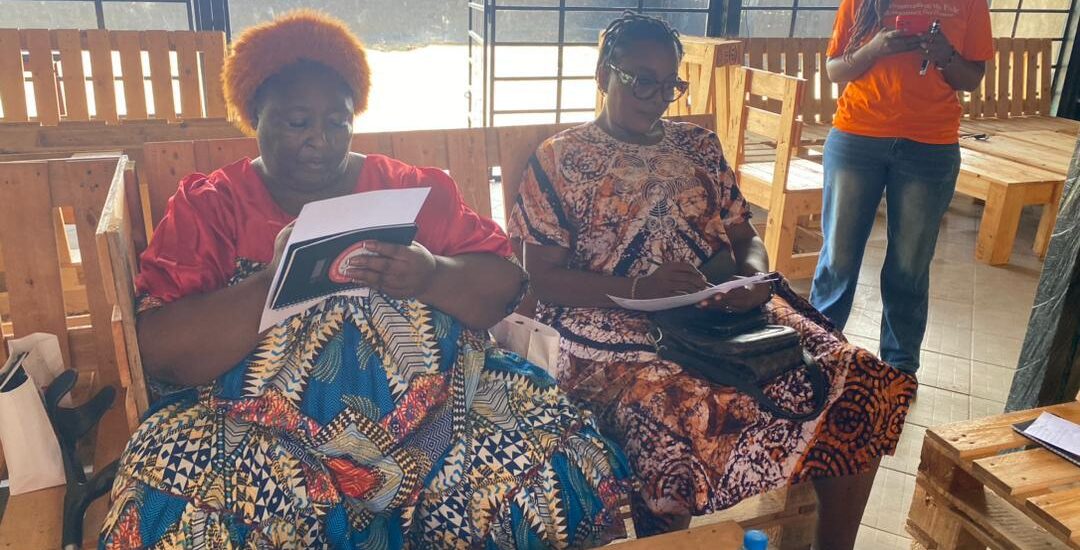
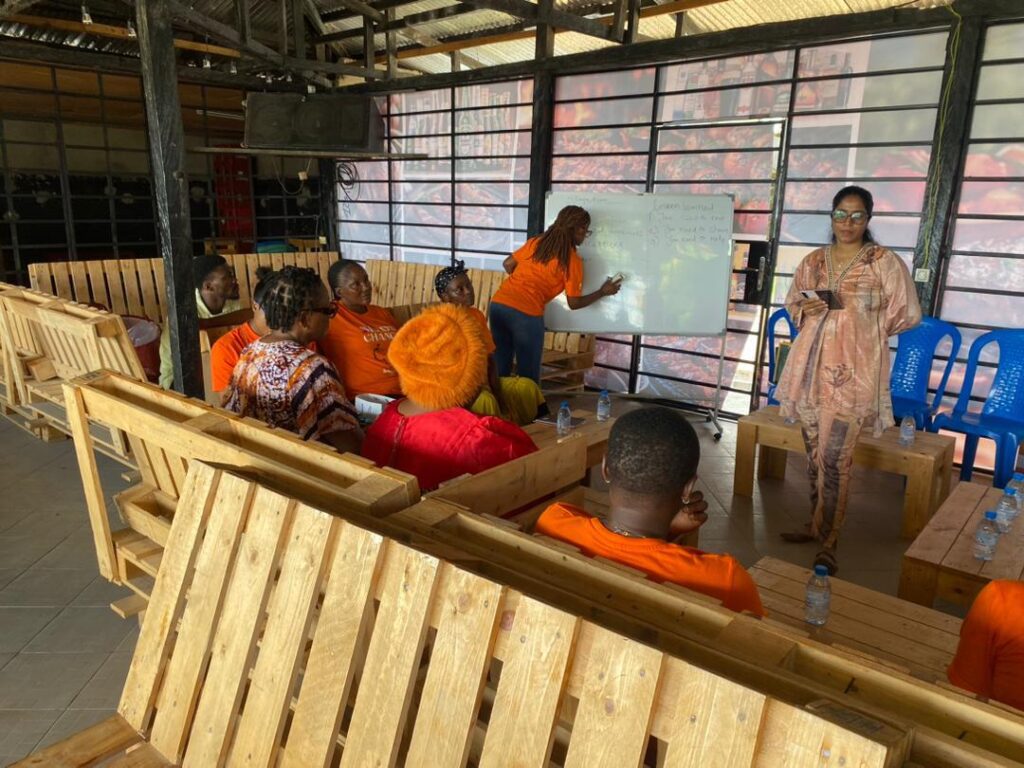
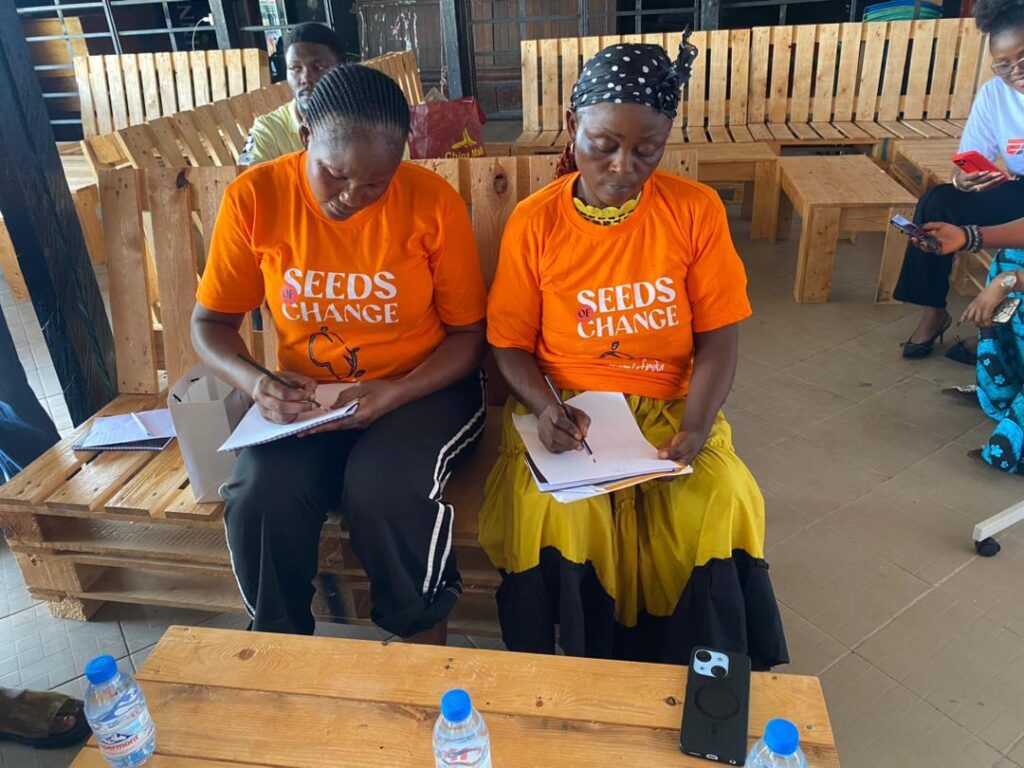
Women in the Bonjongo community have expressed a strong desire to return to education and participate in programs that empower them with knowledge and marketable skills. They identified a complex set of interconnected challenges that have historically prevented them from completing their education, including limited financial resources, early marriages, unplanned pregnancies, and deeply entrenched patriarchal norms that often prioritize male education and opportunities.
Mrs. Enanga, a community member, highlighted a critical link between low literacy rates, unplanned pregnancies, and economic hardship. She explained that the incidence of teenage pregnancy among girls attending school often leads to parents withdrawing their daughters from formal education, fearing further social stigma and economic strain. This creates a self-perpetuating cycle where limited education restricts economic opportunities, which in turn increases the likelihood of early marriage and unplanned pregnancies, further hindering educational attainment. This is a root cause of intergenerational poverty within the community.
Strategies for Promoting Adult Education and Literacy Programs in Bonjongo:
To effectively address the challenges and promote adult education and literacy among women in Bonjongo, a multi-pronged approach is required. The following strategies should be considered:
• Financial Assistance and Scholarships: Provide scholarships and financial assistance to cover tuition fees, school supplies, childcare costs, and transportation expenses. This can alleviate the financial burden on women and their families, making education more accessible. Micro-loans could also be offered to women who complete vocational training, enabling them to start their own small businesses and become financially independent.
• Flexible Learning Options: Offer flexible learning schedules, including evening classes, weekend workshops, and online courses, to accommodate women’s domestic responsibilities and work commitments. Consider mobile learning options to reach women in remote areas.
• Community-Based Learning Centers: Establish community-based learning centers in accessible locations, equipped with learning materials, computers, and internet access. These centers can serve as safe and supportive spaces for women to learn, connect, and share their experiences.
• Skills Training and Vocational Programs: Offer skills training and vocational programs that equip women with marketable skills, such as tailoring, hairdressing, cosmetology, computer literacy, or agriculture-related skills. This can increase their earning potential and improve their economic security.
• Partnerships and Collaboration: Foster partnerships and collaboration among government agencies, NGOs, community-based organizations, and private sector entities to mobilize resources, expertise, and support for adult education and literacy programs.
• Childcare Support: Provide on-site childcare services at learning centers or offer childcare subsidies to enable women with young children to attend classes without worrying about childcare arrangements.
• Mentorship Programs: Establish mentorship programs that pair women enrolled in education programs with successful female role models in the community. Mentors can provide guidance, support, and encouragement to help women overcome challenges and achieve their educational goals.
By implementing these strategies, it is possible to create a supportive and empowering environment that enables women in Bonjongo to access education and literacy programs, improve their lives, and contribute to the sustainable development of their community.
The Importance Impact of Educating Girls in Rural Communities
The importance of educating girls in rural communities cannot be overstated. While traditional gender roles in the 19th century often relegated women to domestic chores, viewing them primarily as future wives, societal perspectives have evolved significantly. Today, some parents in rural communities are prioritizing the education of girls, recognizing their potential to be effective societal and home managers. One perspective highlighted suggests that girls are seen as more determined and focused on their education, possessing a patient and caring nature linked to their maternal instincts. This perspective argues that girls are motivated to improve the lives of their families and strive to become the best versions of themselves. Furthermore, some parents recognize the equal importance of education for both boys and girls, pledging to support the educational aspirations of any child who excels in their studies, regardless of gender.
Benefits of Educating Girls:
Educating girls in rural communities yields a multitude of benefits that extend far beyond individual empowerment, positively impacting families, communities, and future generations. These benefits include:
• Improved Family Health and Well-being: Educated women are more likely to make informed decisions about their health, leading to better family health outcomes, including reduced child mortality rates, improved nutrition, and increased access to healthcare services. They understand the importance of prenatal care, immunization, and hygiene practices, contributing to healthier communities.
• Increased Economic Productivity: Educated women are more likely to participate in the workforce, contributing to household income and economic growth. They can pursue higher-paying jobs, start their own businesses, and become financially independent, breaking cycles of poverty.
• Reduced Poverty and Inequality: Education empowers women to overcome economic hardship and improve their socio-economic status. It can reduce gender inequality and provide women with the resources and skills they need to achieve their full potential.
• Enhanced Community Development: Educated women are more likely to be active and engaged members of their communities, participating in decision-making processes and advocating for positive change. They often take on leadership roles, contributing to the development of community initiatives and addressing local challenges.
Examples of Women Who Have Contributed to Community Development ThroughEducation:
• Dr. Amina Diallo, A woman from a rural Cameroonian village who, after obtaining a medical degree, returned to her community to establish a health clinic, providing much-needed healthcare services to underserved populations. She also spearheaded health education programs, reducing the spread of
Literacy and literacy programs in rural communities often face a complex web of interconnected challenges that significantly hinder their effectiveness. These problems can be broadly categorized into socio-economic, infrastructural, cultural, and programmatic issues:
Socio-Economic Challenges:
• Poverty: Poverty is a fundamental barrier to literacy. Families struggling to meet basic needs often cannot afford school fees, books, and other educational materials. Children may be required to work to supplement family income, limiting their time for education. Adults are also often prioritizing basic needs like food, over self-improvement such as literacy programs.
• Limited Access to Economic Opportunities: The perception that literacy won’t lead to better jobs or economic advancement can reduce motivation to participate in literacy programs. If rural communities lack diverse employment opportunities, individuals may see little value in acquiring literacy skills.
• Geographic Isolation: Rural communities are often located in remote areas with limited access to transportation, making it difficult for learners to attend literacy classes and for instructors to reach learners.
Infrastructural Challenges:
• Lack of Adequate Facilities: Rural communities often lack well-equipped schools, libraries, and community learning centers. Existing facilities may be dilapidated, overcrowded, or lack essential resources such as books, computers, and internet access.
• Shortage of Qualified Teachers and Instructors: Recruiting and retaining qualified teachers and instructors in rural areas can be challenging. Teachers may be reluctant to work in remote areas due to low salaries, lack of professional development opportunities, and limited access to amenities.
• Limited Access to Technology: Rural communities often have limited access to technology, such as computers, internet, and digital learning resources. This digital divide can exacerbate literacy challenges and hinder the effectiveness of literacy.
Cultural Challenges:
• Traditional Gender Roles: In some rural communities, traditional gender roles may prioritize the education of boys over girls, limiting access to education and literacy opportunities for women.
• Cultural Beliefs and Attitudes: Negative attitudes towards education, particularly among adults, can hinder participation in literacy programs. Some individuals may believe that education is not necessary for their livelihoods or that they are too old to learn.
Programmatic Challenges:
• Inadequate Funding: Literacy programs in rural communities often suffer from chronic underfunding, limiting their ability to provide quality instruction, resources, and support to learners.
• Lack of Community Involvement: Literacy programs that are not developed in consultation with community members may lack community ownership and support. Community involvement is essential for ensuring that programs are relevant, sustainable, and effective.
• Poor Monitoring and Evaluation: Inadequate monitoring and evaluation systems can make it difficult to assess the effectiveness of literacy programs and identify areas for improvement.
Conclusion.
By implementing these comprehensive strategies, Bonjongo can create a supportive and empowering environment that enables women to access education and literacy programs. These skills will improve their lives, contribute to the sustainable development of their community, and serve as role models for future generations. Investing in the education and literacy of women in Bonjongo is not just a matter of social justice; it is a strategic imperative for building a healthier, more prosperous, and more equitable future for the entire community. It is crucial to remember that by providing women with education and skills, they can become effective leaders, change agents, and advocates for positive change within their families and communities. Only through a sustained and collaborative effort can the women of Bonjongo realize their full potential and contribute to a brighter future for themselves and generations to come. Okay, let’s create a questionnaire to gather information within the Bonjongo community, based on our discussion of literacy and education for women. Here’s a structure with different question types, focusing on the key areas we’ve discussed:
Click on the link below to listen to our webinar on Strategies for Enhancing Women’s economic empowerment. Entrepreneurship and financial literacy
Author Mbah Cristel. Cristel is a student at the University of Buea, where she is pursuing a degree in Women and Gender Studies. She is passionate about advancing the rights and well-being of women and adolescents. Cristel is committed to empowering women, particularly those in rural communities, through education, advocacy, and capacity building. She also believes that adolescents should be given the opportunity to discover, develop, and showcase their talents rather than being limited by societal barriers or overlooked. Through her dedication, she hopes to contribute to creating inclusive communities where women and young people can reach their full potential.