
1. Introduction
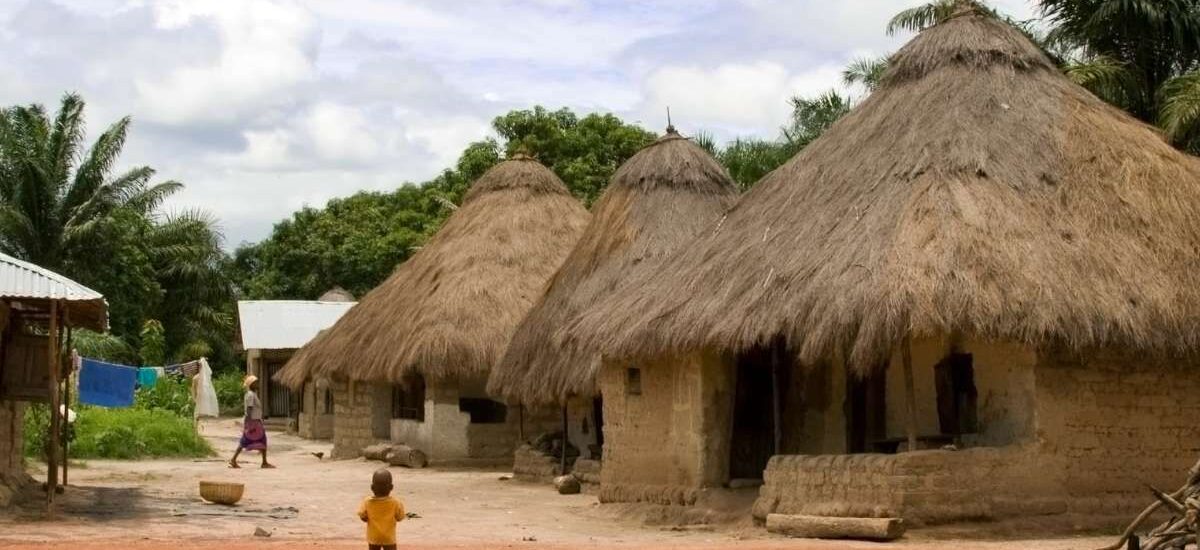
The implementation of community-based projects in rural settings is a multi-faceted and complex undertaking, often constrained by a convergence of structural, socioeconomic, and environmental factors. When organizations intervene in these isolated or underdeveloped spaces, they must navigate a landscape where limited financial resources frequently intersect with a severe lack of basic infrastructure, creating significant logistical bottlenecks that can jeopardize project timelines and outcomes. The heavy reliance on external funding often leaves projects vulnerable to global budget fluctuations and local logistical failures. For instance, poor road networks or severe seasonal weather conditions common in rural contexts often limit physical access to project sites for months at a time. These challenges, as documented in humanitarian standards like the Sphere Handbook (2018), underscore the critical necessity for flexible, context-specific logistical planning. It is essential to move away from rigid, top-down approaches that ignore the granular realities of rural terrain and the specific needs of transportation infrastructure in favor of adaptive strategies that account for these environmental variables from the outset.
Social, Cultural, and Structural Dynamics
Social and cultural dynamics represent some of the most profound hurdles in project execution. As Robert Chambers highlighted in his seminal work on participatory development, Whose Reality Counts? (1997), the failure of external agents to deeply engage with local knowledge systems often leads to project alienation, where the community views the intervention as an outside imposition rather than a shared benefit. In many rural communities, deeply entrenched cultural norms and traditional power structures can inhibit open discussions, particularly regarding sensitive topics such as gender-based violence, reproductive health, or social equity. These barriers are frequently exacerbated by systemic gender inequality, where women’s participation in decision-making is curtailed by restrictive social expectations and the heavy burden of domestic labor.
Beyond the social fabric, structural challenges such as the “digital divide” and language barriers create additional layers of exclusion. In areas with minimal connectivity, digital-first communication or data collection strategies fail, further isolating the most vulnerable populations. Furthermore, when project materials and training are not provided in local dialects, the essence of the project can be lost in translation, leading to misunderstanding and a lack of local ownership. Effective implementation, therefore, requires a profound shift toward participatory engagement strategies that actively involve traditional and local leaders, thereby bridging the trust deficit that often exists between external organizations and the communities they serve.
1. Challenges Faced During Community Project Implementation
1.1 Limited Financial Resources. Limited financial resources present significant hurdles, as insufficient funding often fails to cover essential costs like transportation, materials, logistics, and daily project activities. Relying heavily on personal contributions or unpredictable donor support creates instability, while budget constraints strictly limit the ability to expand reach to multiple communities. Furthermore, rising costs can quickly derail the original project plan, forcing difficult compromises in scope and delivery.
1.2 Transportation and Accessibility. Transportation and accessibility issues significantly impede progress, particularly when poor road networks become impassable during the rainy season. High costs for both project teams and materials place a strain on resources, while the remoteness of certain communities makes them exceptionally difficult to access. These geographic challenges frequently lead to delays, as unreliable transportation options and long travel distances interrupt the project schedule.
1.3 Community Participation and Engagement. Securing active community participation is often difficult due to competing priorities, such as farming, trading, and various household responsibilities. Many community members may find it challenging to attend sessions that conflict with market days, peak farming seasons, or local events. Additionally, project teams often face resistance or low engagement when residents do not fully understand the project’s objectives or fail to see its immediate relevance to their lives.
1.4 Cultural Beliefs and Traditional Practices. Navigating cultural beliefs and traditional practices requires sensitivity, as certain norms may discourage open discussions regarding sensitive topics like menstrual health, gender-based violence, or women’s leadership. Projects that are perceived as challenging traditional authority or established customs often encounter resistance. Furthermore, facilitators may face language barriers and must navigate the necessary protocols of obtaining approval from traditional leaders before implementation can begin.
1.5 Limited Infrastructure and Basic Amenities. The lack of suitable infrastructure and basic amenities creates operational difficulties, as many locations lack adequate venues for workshops, training sessions, and larger community meetings. Limited access to essential utilities like electricity, internet connectivity, and digital equipment hampers the use of modern communication tools. Moreover, the absence of proper sanitation facilities in schools and community centers can make it difficult to maintain a safe and conducive environment for project activities.
1.6 Language and Communication Barriers. Language and communication barriers pose a constant challenge, particularly when project objectives must be conveyed in languages that are not universally understood by all community members. Limited literacy levels among some participants can render traditional written materials ineffective, necessitating alternative approaches. Furthermore, distributing information effectively to those living in scattered, remote settlements is logistically difficult, and differences in linguistic and cultural interpretation often lead to significant misunderstandings.
1.7 Gender Inequality and Social Barriers. Gender inequality and deep-seated social barriers often restrict the participation of women and girls, who may be held back by overwhelming household responsibilities and restrictive social expectations. Project teams frequently encounter difficulty obtaining permission for women to attend activities and often find that women remain underrepresented in local decision-making processes. Additionally, the stigma surrounding sensitive issues like menopause and gender-based violence can further isolate the very populations the project intends to support.
1.8 Security Concerns and Political Instability. Security concerns and political instability create a volatile environment that can halt operations at any moment. Insecurity often prevents project teams from safely accessing certain communities, while participants may fear attending public gatherings due to potential risks. Sudden violence or political tensions frequently force the cancellation or postponement of activities, while the necessary measures to manage these security risks inevitably lead to increased transportation and operational costs.
1.9 Limited Trust and Community Ownership. Establishing trust and community ownership is essential but difficult, especially when residents are suspicious of organizations they do not know. Previous experiences with failed projects that did not deliver on promises can create a legacy of skepticism, leading to low engagement. Additionally, projects often struggle against unrealistic community expectations that the implementing organization will provide direct material benefits, such as money, food, or employment, rather than the intended capacity-building outcomes.
1.10 Monitoring, Evaluation, and Follow-Up. Monitoring, evaluation, and follow-up activities are frequently constrained by the difficulty of collecting reliable data from remote locations. Limited resources for conducting consistent follow-up visits often leave teams without a clear understanding of the project’s long-term impact. These challenges make it difficult to accurately measure changes in attitudes, behaviors, or local practices, and often result in inadequate documentation of the lessons learned throughout the project’s lifecycle.
1.11 Sustainability of Project Outcomes. Ensuring the sustainability of project outcomes remains a primary concern, as participants may struggle to maintain progress once the project formally concludes. A lack of ongoing funding for follow-up activities, combined with limited access to the necessary resources or materials, often causes initial gains to fade. Furthermore, if a project creates a dependency on external organizations rather than fostering the leadership of local structures, the community is less likely to continue the work independently after the intervention ends.
1.12 Weather and Seasonal Challenges. Weather and seasonal challenges introduce a level of unpredictability that can disrupt even the most well-planned projects. Heavy rainfall and flooding frequently render roads impassable, preventing access to project sites. Additionally, agricultural cycles dictate the availability of community members, as farming seasons must take precedence over project activities. These extreme and often unpredictable conditions force constant adjustments to schedules and transportation, making consistent delivery difficult.
For organizations implementing projects in rural African communities, the following examples illustrate how these challenges may arise:
- Menstrual health projects: Cultural taboos may discourage open discussions, while the cost and availability of sanitary products can limit the practical impact of awareness campaigns.
- Peacebuilding initiatives: Community tensions, mistrust, and language differences may make it difficult to bring conflicting groups together.
- Women’s empowerment projects: Household responsibilities, restrictive gender norms, and limited economic opportunities may affect women’s participation and ability to apply newly acquired skills.
- Youth development projects: Limited internet access, transportation difficulties, and a lack of local opportunities may prevent young people from participating consistently.
- Humanitarian projects: Inadequate funding, difficulties identifying the most vulnerable households, and limited access to remote settlements may affect the timely delivery of assistance.
Environmental and clean cooking projects: The high cost of alternative cooking technologies, limited local availability, and established cooking practices may affect community adoption.
2. Practical Ways to Address These Challenges
| Challenge | Possible Solution |
| Limited funding | Establish partnerships, seek grants, and prioritize activities according to available resources. |
| Transportation difficulties | Work with local volunteers and community- based organizations to coordinate logistics. |
| Low participation | Consult community members before scheduling activities and involve trusted local leaders. |
| Challenge | Possible Solution |
| Cultural resistance | Engage traditional leaders, religious authorities, and respected community members from the beginning. |
| Language barriers | Use local languages, interpreters, visual materials, and participatory methods. |
| Gender-related barriers | Schedule activities appropriately and engage women leaders, parents, and other relevant stakeholders. |
| Security concerns | Conduct risk assessments, establish contingency plans, and postpone activities when necessary. |
| Limited trust | Communicate transparently, manage expectations, and demonstrate accountability. |
| Weak sustainability | Train local volunteers, establish community committees, and develop follow-up plans. |
| Monitoring difficulties | Use simple data collection tools, document lessons learned, and engage local focal persons. |
4. Five Major Challenges to Highlight in a Project Report
- Limited financial and logistical resources, which affect transportation, materials, and the geographical reach of activities.
- Cultural and social barriers, which may influence community acceptance, participation, and behavior change.
- Low or inconsistent community participation, often influenced by competing responsibilities and limited awareness of project objectives.
- Infrastructure and accessibility challenges, including poor roads, limited electricity, and inadequate communication networks.
- Sustainability and follow-up limitations, particularly when funding and external support end before communities can independently maintain project outcomes.
An important consideration: These challenges should not be presented as shortcomings of rural communities. Many arise from structural inequalities, inadequate infrastructure, limited resources, and the need to design interventions around local priorities and realities.
To support our community projects donate through our website