
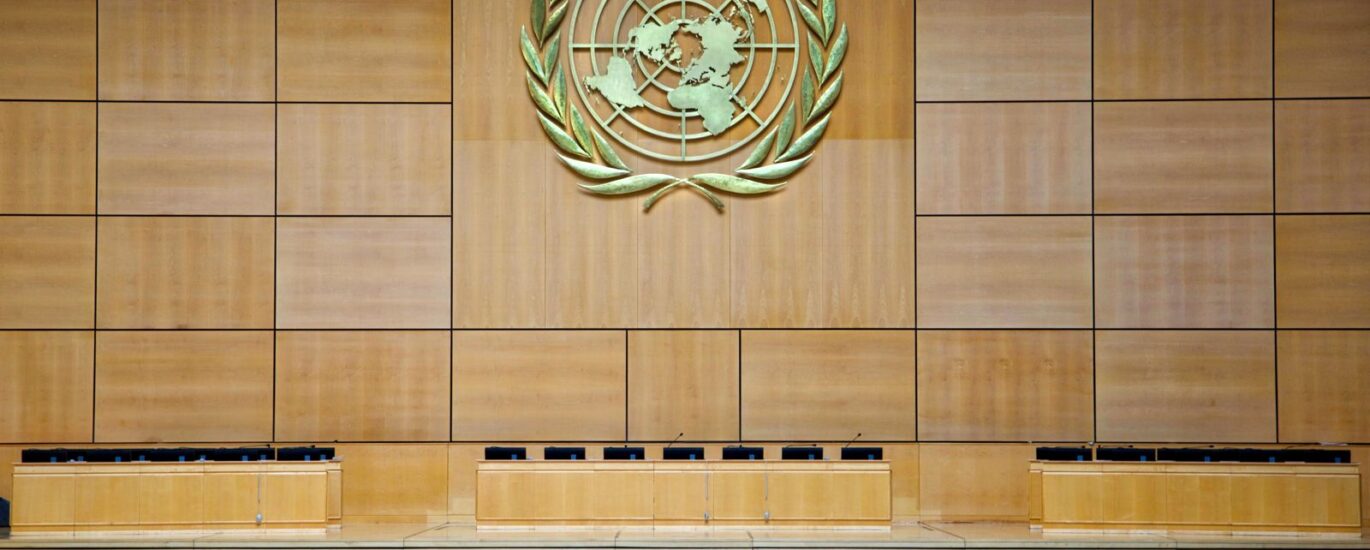
This year’s 81st United Nations General Assembly (UNGA 81) in New York felt different. With the overarching theme of “Restoring trust, managing transformation: A United Nations that delivers for all,” leaders from 193 Member States gathered not just to debate, but to grapple with the reality that our global problems are increasingly interconnected.
From climate change to the rapid evolution of artificial intelligence, the sessions underscored a singular, urgent truth: we cannot solve 21st-century crises with 20th-century isolation.
The Big Picture: A Call for Multilateralism
The General Debate which featured 194 speakers was a stark reminder of the current geopolitical climate. While there was no single “magic bullet” decision that ended all conflicts or resolved every crisis, the Assembly succeeded as a vital diplomatic platform. The core message was clear: rebuilding international trust is the prerequisite for any progress on poverty, inequality, and peace.
Key Humanitarian & Global Priorities
Several high-level meetings highlighted the specific areas where the UN is focusing its energy:
- The Climate Imperative: The discussions on climate action and sea-level rise were particularly poignant. The focus has shifted from abstract targets to a “just transition”ensuring that the shift to cleaner economies doesn’t leave vulnerable workers, coastal communities, or small island states behind.
- Pandemic Preparedness: With the memory of recent global health crises still fresh, world leaders renewed their commitment to stronger health systems. The goal is equitable investment, improved surveillance, and ensuring fair access to vaccines and essential medicine when the next emergency strikes.
- Protecting the Future: A critical part of the humanitarian discussion focused on children. Whether through education funding for those in conflict zones or better protection against recruitment by armed groups, the Assembly reaffirmed that education is not just a service—it is a life-saving, life-sustaining necessity.
- Development and Equality: Marking the 40th anniversary of the Right to Development, the sessions reinforced the responsibility of global institutions to ensure that progress is shared fairly. This was mirrored by the commemoration of the Durban Declaration, pushing back against racism, xenophobia, and intolerance.
- The AI Frontier: Artificial intelligence was a central topic, with delegations wrestling with the dual nature of the technology—its potential to drive human development versus the new risks it introduces to security and employment.
Confronting Conflict
The situation in Gaza, Palestine, and the wider Middle East cast a long shadow over the proceedings. The debates highlighted the immense civilian suffering and the urgent need for humanitarian access and regional stability. These discussions, intertwined with geopolitical tensions, underscored why “restoring trust” is not just a slogan, but a survival strategy for the international order.
The Path Forward
The 81st General Assembly didn’t promise instant solutions. Instead, it mapped the battlefield for the coming year. It highlighted that conflict disrupts education, climate change fuels displacement, and public-health crises deepen poverty.
As we move forward, the takeaway is evident: our institutions must deliver more effectively. Whether through stronger funding for humanitarian aid, smarter regulation of technology, or a renewed commitment to peace, the mandate for the UN and for us as a global community is to transform our interconnected risks into interconnected solutions.
References
- United Nations — General Assembly High-Level Week 2026 https://www.un.org/en/high-level-week-2026/
- United Nations — High-Level Meetings of the 81st Session https://www.un.org/en/ga/81/meetings/
- United Nations — The World Comes to New York: What’s at Stake at General Assembly High-Level Week https://www.un.org/en/desa/the-world-comes-to-new-york-whats-at-stake-at-un-general-assembly-high-level-week/
- United Nations — Remarks at the Opening of the Eighty-First Session https://www.un.org/pga/81/documents/speeches/opening-statement/
- World Health Organization — WHO at the United Nations General Assembly 2026 https://www.who.int/news-room/events/detail/2026/09/18/default-calendar/who-at-the-united-nations-general-assembly-2026
- United Nations — General Assembly President of the 81st Session https://www.un.org/en/ga/president/81/
- United Nations — General Assembly 81st Session Meetings and Events https://www.un.org/pga/81/meetings-and-events/