
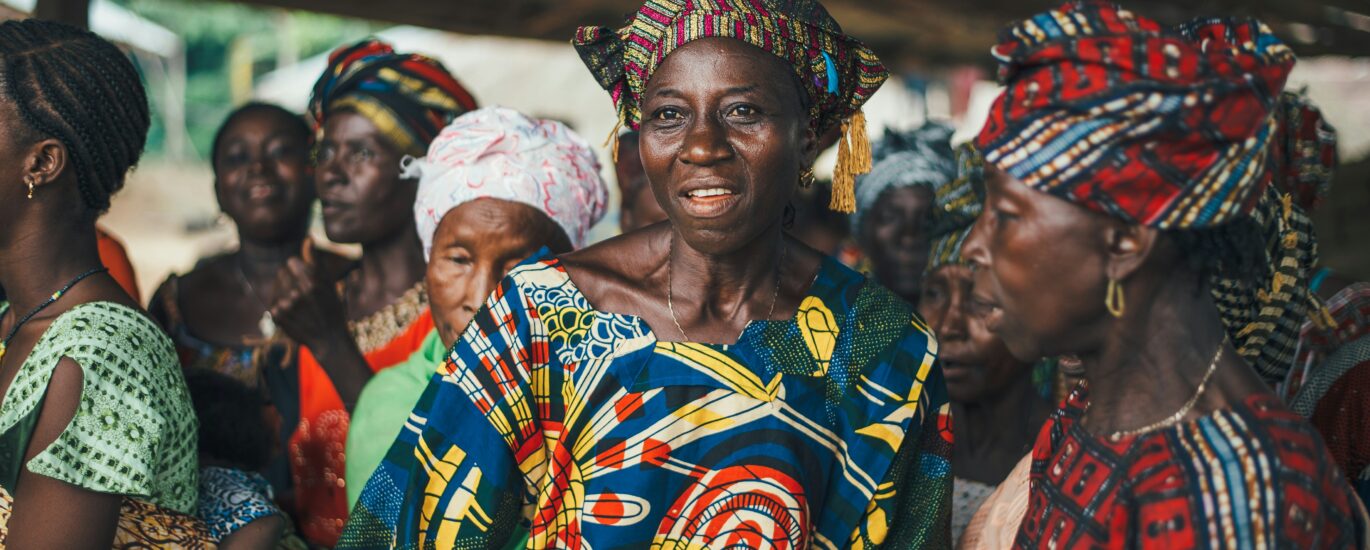
“Peace is not merely the absence of conflict; it is the presence of justice, trust, and cooperation within communities.”
When we think of peace building, we often think of international organizations, peace agreements, or government interventions. While these efforts are important, lasting peace rarely begins in conference halls or government offices. It begins where we live, work, worship, and raise our families, it begins in our communities.
Across Africa, communities continue to face challenges such as ethnic tensions, political disagreements, resource-based conflicts, youth unemployment, gender inequality, misinformation, and violent extremism. These issues affect everyday life, making community-driven peacebuilding not just important but essential.
Communities Are the First to Experience Conflict
Conflict often begins long before it reaches national attention. It may start with disagreements between neighbours, disputes over farmland, discrimination, competition for limited resources, or misunderstandings fueled by rumours. and because communities are the first to experience these tensions, they are also the first line of defence against violence. When local leaders, youth groups, women, religious institutions, and community members work together to resolve issues early, they can prevent small disagreements from becoming larger crises.
Every community has its own history, culture, traditions, and social dynamics. Solutions that work in one region may not be suitable in another. So as community members possess valuable knowledge about the root causes of conflict and are often best positioned to develop practical and culturally appropriate solutions. Their understanding of local relationships enables them to build trust in ways that external actors cannot easily achieve. This is why successful peace building must involve those who are directly affected by conflict, because local people understand local problems
Because peace building is more about rebuilding relationships than ending violence, trust should be built between neighbours, families, community leaders, security institutions, and local authorities which creates an environment where people can cooperate despite their differences. Communities with strong social bonds are more resilient during times of crisis and better equipped to resolve disputes peacefully.
Activities such as community dialogues, interfaith engagements, youth forums, cultural exchanges, and joint development projects help strengthen these relationships.
The Role of Women and Young People
Women and young people are often the most affected by conflict, yet they remain powerful agents of peace. Women frequently lead efforts in reconciliation, family mediation, education, and community welfare. Young people contribute energy, innovation, and leadership that can transform communities when properly supported, Therefore, creating opportunities for meaningful participation, communities become more inclusive, reducing the likelihood of marginalization and future conflict. Although, governments and international organizations have important roles to play, sustainable peace cannot be imposed from outside. It must be built collectively by the people who live together every day.
Peace building becomes sustainable when communities:
- Promote dialogue instead of violence.
- Respect diversity and inclusion.
- Encourage active youth participation.
- Empower women as peace leaders.
- Resolve disputes through mediation.
- Support education that promotes tolerance and understanding.
- Work together on shared community development goals.
The Way Forward
Africa’s future depends not only on national policies but also on the strength of its communities. Every conversation that replaces hatred with understanding, every disagreement resolved through dialogue, and every young person empowered to become a peace ambassador contributes to a more peaceful continent.
At Wem’Afrika, we believe that lasting peace begins with ordinary people making extraordinary choices every day. By strengthening communities, promoting inclusion, and encouraging collaboration, we can build societies where peace is not simply an aspiration but a way of life.
Peace building starts at the community level because that is where trust is built, relationships are restored, and hope for a better future takes root.