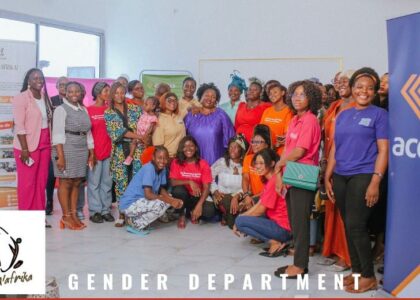

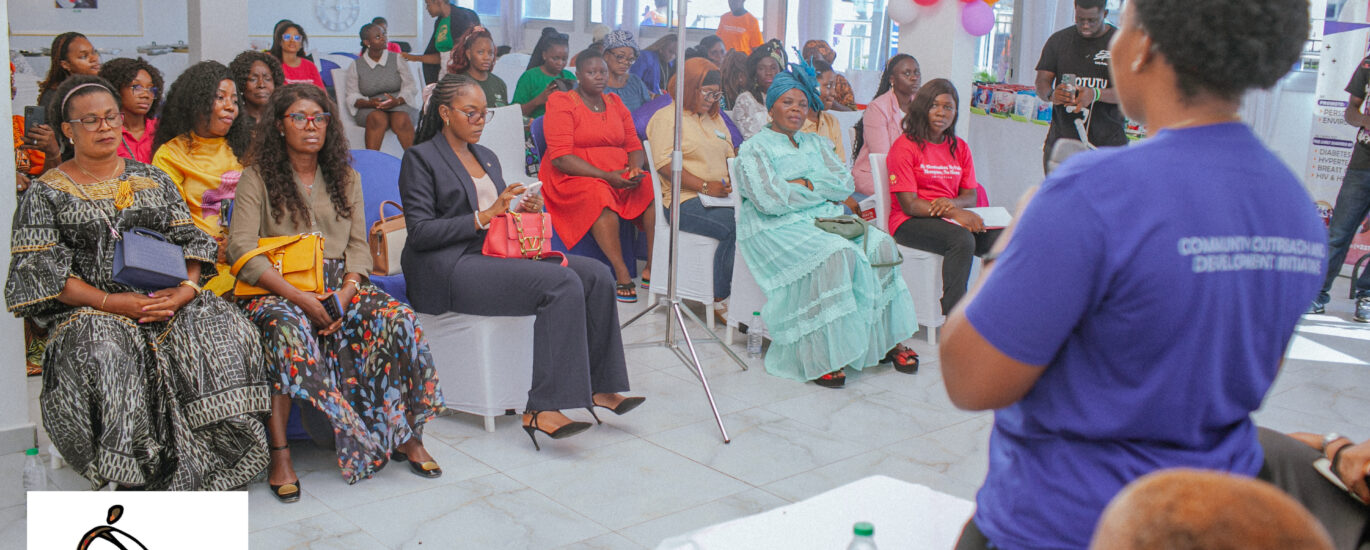
During the Seeds of Change project, women in the Youpwe community received education on health and well-being, with a focus on improving their knowledge of healthcare, mental health, and nutrition. This intervention was necessary because many rural women continue to experience significant barriers that affect their quality of life and overall well-being.
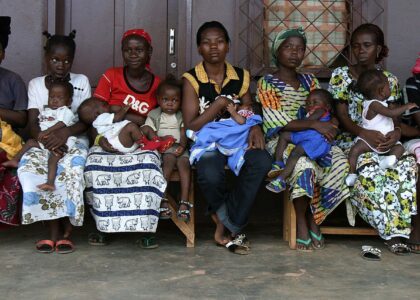
Limited access to healthcare services. Rural communities often have fewer health facilities, shortages of trained healthcare professionals, and limited availability of essential medicines. Long travel distances, poor transportation, and the cost of healthcare further discourage women from seeking timely medical attention, particularly for preventive and reproductive health services.
Financial constraints. Many rural women have limited financial independence and depend on irregular household incomes. As a result, healthcare expenses, nutritious food, and transportation to health facilities are often unaffordable, leading to delayed treatment and poor health outcomes.
Limited awareness and health education. Many women have not had access to consistent health education on topics such as maternal health, menstrual hygiene, menopause, nutrition, family planning, and disease prevention. This knowledge gap can contribute to preventable illnesses and unhealthy practices.
Mental health stigma and lack of support. Mental health remains a neglected issue in many rural communities. Conditions such as stress, anxiety, depression, grief, and trauma often go unrecognized or are misunderstood due to stigma, cultural beliefs, and the absence of mental health professionals. Many women carry the burden of caregiving, household responsibilities, and economic hardship without access to counseling or psychosocial support.
Poor nutrition and food insecurity. Although many rural women are involved in agriculture, they may still experience food insecurity because of poverty, seasonal food shortages, climate-related challenges, and limited dietary diversity. Poor nutrition affects women’s health, pregnancy outcomes, children’s development, and overall productivity.
Heavy workload and gender inequality. Rural women often balance farming, household chores, childcare, and income-generating activities. These multiple responsibilities leave little time to prioritize their own health, attend medical appointments, or participate in wellness programs. In some households, women also have limited decision-making power regarding healthcare and household resources.
Inadequate water, sanitation, and hygiene (WASH) services. Limited access to clean water and sanitation facilities increases the risk of infectious diseases and makes it difficult for women to maintain proper hygiene, particularly during menstruation and pregnancy.
The Seeds of Change project sought to address these challenges by increasing women’s awareness of preventive healthcare, mental health, nutrition, and healthy lifestyles. By equipping participants with practical knowledge and encouraging healthy behaviors, the project aimed to empower women to make informed decisions, improve their well-being, and strengthen the health and resilience of their families and communities.