
Theme: Building Sustainable Care and Support Systems Through Decent Work
Advocacy Focus: Recognizing Care Work, Advancing Gender Equality, and Strengthening Community Support Systems
1. Background and Significance
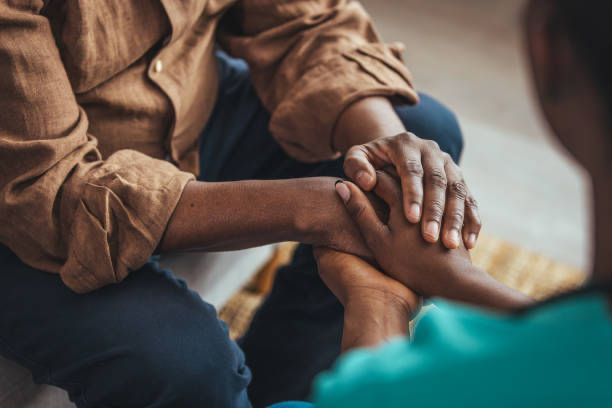
Care is fundamental to human well-being, gender equality, and sustainable development. Across communities, care work supports children, older persons, persons with disabilities, people living with illnesses, and families. It includes both paid and unpaid activities that meet people’s physical, emotional, psychological, and social needs.
Despite its importance, care work remains largely undervalued and disproportionately undertaken by women and girls. Household responsibilities, childcare, cooking, cleaning, caring for sick family members, and collecting water or firewood can limit women’s and girls’ access to education, decent employment, leadership opportunities, and participation in community decision-making.
The International Day of Care and Support, observed annually on 29 October, provides an opportunity to recognize the contribution of caregivers, promote the fair distribution of care responsibilities, and advocate for inclusive, accessible, and sustainable care systems.
For Wem’Afrika, this observance aligns with our commitment to gender equality, community empowerment, human rights, and capacity building. It offers an opportunity to encourage communities, families, institutions, and policymakers to recognize care as a shared social responsibility rather than an obligation that falls primarily on women and girls.
2. Why Care and Support Matter
2.1 Care Sustains Families and Communities
Care work makes everyday life possible. It supports children’s development, promotes the well-being of vulnerable people, and sustains households and communities. However, when care responsibilities are unequally distributed, women and girls may have less time to pursue education, employment, entrepreneurship, and leadership.
2.2 Care Is a Gender Equality Issue
Social expectations often place the primary responsibility for household and caregiving duties on women and girls. These expectations can reinforce gender stereotypes and limit women’s economic independence and participation in public life.
Recognizing and redistributing care responsibilities is essential to creating more equitable households and communities.
2.3 Care Work Deserves Recognition and Protection
Paid caregivers and domestic workers make essential contributions to society. They deserve fair compensation, safe working conditions, social protection, dignity, and meaningful representation in decisions affecting their work.
Unpaid caregivers also require recognition, support, and access to services that protect their well-being.
2.4 Care Is a Shared Responsibility
Sustainable care systems require collaboration among families, communities, governments, employers, civil society organizations, and other stakeholders. Shared responsibility can reduce the disproportionate burden on women and girls while strengthening community resilience.
3. Key Issues Requiring Attention in African Communities
Wem’Afrika recognizes the need to address the social and structural barriers that affect care and support, particularly in underserved and rural communities.
Key concerns include:
- Unequal distribution of unpaid care: Women and girls often carry a disproportionate share of household and caregiving responsibilities.
- Limited access to essential services: Some communities face barriers to affordable childcare, healthcare, disability support, and services for older persons.
- Economic vulnerability: Unpaid care responsibilities can restrict women’s participation in income-generating activities and entrepreneurship.
- Gender stereotypes: Traditional expectations may discourage men and boys from participating equally in caregiving and domestic work.
- Limited recognition of caregivers: Unpaid caregivers and some paid care workers may lack adequate support, protection, and representation.
- Rural infrastructure challenges: Limited access to water, electricity, transportation, and healthcare can increase the time and effort required to provide care.
- Inclusion and dignity: Care systems must respond to the needs and rights of children, older persons, persons with disabilities, and other people requiring support.
4. Evidence and Global Context
The global evidence highlights the unequal distribution of unpaid care work and the need for stronger care systems.
According to the United Nations, women perform approximately 76.2% of total unpaid care work globally and spend about 3.2 times as much time on unpaid care and domestic work as men.
The International Labour Organization has also highlighted the potential of investment in care services to generate employment, strengthen social protection, improve access to essential services, and advance gender equality.
These findings reinforce the importance of treating care not merely as a private household responsibility but as a social, economic, and development priority.
5. Wem’Afrika’s Advocacy Position
Wem’Afrika advocates for communities in which care work is recognized, caregiving responsibilities are shared fairly, and every individual can access support with dignity.
Our approach is grounded in the following priorities:
- Gender equality: Challenge stereotypes that place the primary responsibility for care on women and girls.
- Community empowerment: Encourage families and communities to adopt fairer and more inclusive approaches to caregiving.
- Capacity building: Promote awareness and learning opportunities that equip communities to understand care rights, responsibilities, and available support.
- Women’s economic empowerment: Advocate for conditions that enable women with caregiving responsibilities to access education, employment, entrepreneurship, and leadership opportunities.
- Human rights and inclusion: Support approaches that respect the dignity and needs of children, older persons, persons with disabilities, and other people requiring care.
- Partnership and policy engagement: Encourage collaboration among civil society, community leaders, public institutions, employers, and development partners to strengthen care systems.
Call to Action
Care Is Everyone’s Responsibility
Care sustains our families, strengthens our communities, and supports our economies. Yet, its responsibilities and benefits are not always shared fairly.
This International Day of Care and Support, Wem’Afrika calls on families, communities, civil society organizations, employers, and policymakers to recognize the value of care, challenge harmful gender stereotypes, support caregivers, and promote accessible and inclusive care systems.
Source Notes
- United Nations — International Day of Care and Support: https://www.un.org/en/observances/care-and-support-day
- United Nations General Assembly — Resolution A/RES/77/317: https://undocs.org/A/RES/77/317
- International Labour Organization — Care work, decent work, and the care economy: https://www.ilo.org/
- UN Women — Gender equality and the care economy: https://www.unwomen.org/
Source