
Addressing Gender-Based Violence Against Men and Boys in Africa
A Wem’Afrika Advocacy and Policy Perspective
Introduction: The Violence We Do Not Talk About
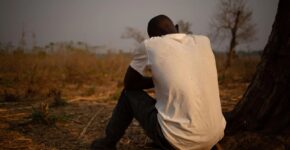
Gender-based violence (GBV) remains a major human rights, public health, and humanitarian concern across Africa. Women and girls continue to experience a disproportionate burden of many forms of GBV. However, recognizing this reality must not prevent us from acknowledging that men and boys can also experience sexual violence, intimate partner violence, psychological abuse, physical assault, exploitation, and other forms of gender-related harm.
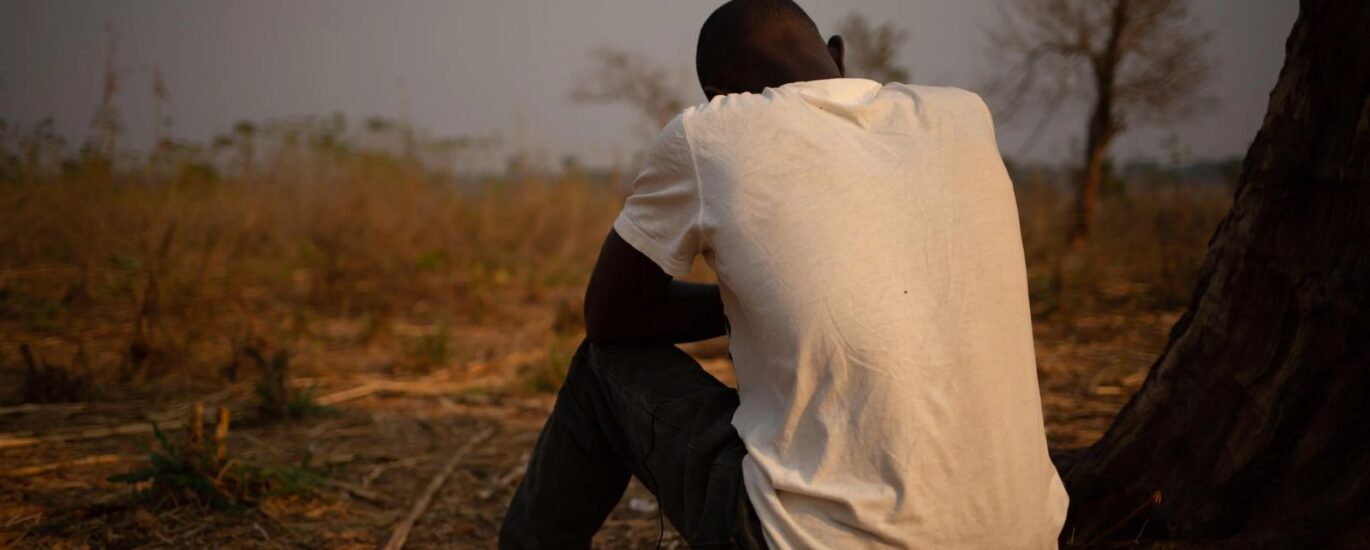
For many male survivors, the challenge extends beyond the violence itself. Social expectations that men must be strong, dominant, emotionally resilient, and capable of protecting themselves can discourage disclosure and prevent survivors from seeking assistance. As a result, experiences of violence may remain hidden within families, communities, institutions, and humanitarian settings.
When survivors are not recognized, their needs may be overlooked in research, service provision, legal protection, and humanitarian planning. Addressing this gap requires a more inclusive approach to prevention and response—one that recognizes different experiences of violence while preserving the attention and resources required to address violence against women and girls.
For Wem’Afrika, this issue raises an important question: How can communities and institutions prevent gender-based violence effectively if some survivors remain invisible in the systems designed to protect them?
What Does the Evidence Tell Us?
Intimate partner violence against men in Africa
A systematic review and meta-analysis published in BMC Public Health in 2026 examined 16 studies involving 17,939 men across six African countries. The researchers reported a pooled prevalence of intimate partner violence (IPV) against men of 40.49%, with psychological violence identified as the most frequently reported subtype (Yesuf et al., 2026).
The review included research from Uganda, Nigeria, Kenya, Tanzania, South Africa, and Rwanda. It identified different forms of IPV, including physical, sexual, psychological, and economic abuse. The findings indicate that violence against men warrants greater attention in public health research and violence-prevention programming. However, the pooled estimate should be interpreted cautiously: the included studies varied in methods, populations, and reported prevalence, and the authors identified substantial statistical heterogeneity and evidence of publication bias.
This estimate concerns intimate partner violence against men in the included studies. It should not be interpreted as the percentage of all African men who experience GBV, nor as a measure of every form of violence against men across the continent.
Domestic violence and relationship dynamics
Research published in the Journal of Criminal Justice in 2025 examined domestic violence perpetrated against men in Kigamboni Municipality, Tanzania. The study considered physical, psychological, sexual, and financial abuse, as well as relationship dynamics, income differences, age disparities, and community expectations (Rugalabam et al., 2025).
The researchers emphasized that stigma and prevailing social norms can discourage men from seeking assistance. These findings support the need for community education, accessible support services, and research that takes the experiences of male survivors seriously.
Sexual violence against men and boys in conflict settings
Conflict and humanitarian emergencies create conditions in which civilians may face sexual violence, torture, coercion, exploitation, forced recruitment, and other forms of abuse. Men and boys can be targeted in these settings, yet shame, fear of retaliation, insecurity, and concerns about social rejection may make disclosure difficult.
The ReliefWeb report, Gender-Based Violence Among Boys and Men in Conflict Settings, provides a starting point for examining these experiences and the challenges humanitarian organizations face in identifying and supporting male survivors. Humanitarian assessments and response systems must be able to identify the needs of different affected populations without assuming that all survivors share the same experiences or require identical services.
Claims that 90–95% of male survivors do not report sexual violence are sometimes cited in discussions of conflict-related sexual violence. Such a figure should not be presented as a universal rate for all male survivors or all conflict settings without confirming the original study, population, and methodology.
Forms of Violence Affecting Men and Boys
Physical violence
Physical violence includes hitting, kicking, choking, burning, assault with objects or weapons, and other acts that cause injury or place a person in danger. It may occur in intimate relationships, families, communities, schools, workplaces, detention settings, and conflict environments.
Psychological and emotional abuse
Psychological abuse may include persistent humiliation, threats, intimidation, coercive control, isolation, harassment, and deliberate attempts to undermine a person’s confidence or independence. Because it may leave no visible injuries, it can be dismissed or normalized.
Sexual violence
Men and boys can experience rape, sexual assault, coercion, exploitation, and conflict-related sexual violence. Survivors may face additional barriers when their experiences challenge assumptions about masculinity, consent, or who can be a victim. Sexual violence is never the survivor’s fault; survivors deserve dignity, confidentiality, appropriate healthcare, psychosocial support, and access to justice.
Economic abuse and exploitation
Economic abuse can involve controlling access to money, taking earnings without consent, restricting employment, interfering with education or work, or using financial dependence to exercise control. It can undermine independence and make it more difficult to leave unsafe situations or obtain support.
Targeted violence and discrimination
Some men and boys face additional risks because of their perceived or actual sexual orientation, gender identity, disability, displacement status, age, or other circumstances. Targeted violence and discrimination can make reporting more difficult, especially where survivors fear criminalization, rejection, or mistreatment by authorities.
Psychological, Social, and Economic Consequences
The consequences of violence extend beyond immediate physical injury. Depending on the type, severity, duration, and circumstances of abuse, survivors may experience:
- Psychological distress: anxiety, depression, trauma-related symptoms, shame, sleep difficulties, and loss of confidence.
- Social isolation: withdrawal from friends, family, and community life because of fear, stigma, or disbelief.
- Family and relationship difficulties: loss of trust, conflict, disrupted caregiving, and challenges in maintaining safe relationships.
- Educational and professional disruption: difficulty concentrating, reduced productivity, missed work, interrupted education, or loss of employment.
- Financial insecurity: medical expenses, loss of income, reduced economic independence, and increased vulnerability to poverty.
- Long-term effects on children and communities: children exposed to violence may experience emotional and developmental difficulties, making early intervention and family support important.
Research on childhood exposure to violence and later vulnerability supports early intervention and trauma-informed services. These findings should not be used to suggest that survivors inevitably become perpetrators. Experiencing violence does not predetermine a person’s future behaviour.
Why Male Survivors May Remain Invisible
Social expectations surrounding masculinity
In many communities, men are expected to be strong, financially independent, physically powerful, and capable of defending themselves. These expectations can make it difficult to disclose abuse, especially when the perpetrator is a partner, relative, employer, authority figure, or armed actor.
Fear of stigma and disbelief
Male survivors may anticipate that their experiences will be dismissed, questioned, or treated as a joke. Survivors of sexual violence may also fear assumptions about their sexuality or masculinity. Service providers should respond with sensitivity, professionalism, and respect.
Gaps in research and data collection
When assessments do not ask appropriate questions about violence experienced by men and boys, their needs may be missed. The absence of reported cases does not automatically demonstrate widespread hidden violence; it signals a need to examine assessment methods, service accessibility, reporting barriers, and available evidence.
Gaps in services and referral pathways
Some services may lack staff training, suitable accommodation, confidential reporting options, or referral arrangements for male survivors. Service availability differs by country and locality, so actual national and community-level arrangements should be assessed.
Legal and institutional barriers
Definitions of rape, sexual assault, domestic violence, and available remedies differ across jurisdictions. A careful review of national laws and institutional procedures is needed to identify specific protection gaps and recommend reforms grounded in the applicable legal framework.
Why Better Data Matters: Lessons from Humanitarian Reporting
Humanitarian reporting databases can help researchers identify patterns, geographic gaps, and emerging protection concerns. The GANNET dataset described in the source material compiles information about GBV incidents and trends from humanitarian and news reporting during 2024, drawing on sources that include ReliefWeb, AllAfrica, Al Jazeera, Human Rights Watch, and United Nations publications.
Such datasets are useful for mapping reported incidents, but they must be interpreted according to how they were constructed. A dataset based on published reports does not necessarily measure the actual prevalence of violence. It may reflect differences in media coverage, language, source availability, country access, reporting priorities, and the likelihood that incidents become public. Entry counts are not equivalent to unique survivors or representative prevalence estimates; one incident may be reported by multiple sources, while others may never be documented.
- Improve inclusion: ensure assessments can identify violence affecting women, girls, men, and boys, with appropriate distinctions by age, setting, and type of harm.
- Protect confidentiality: collect only necessary information and prevent reporting from exposing survivors to retaliation or identification.
- Strengthen data quality: define indicators consistently, document limitations, and distinguish reported incidents from estimated prevalence.
- Address evidence gaps: invest in ethical research where populations or types of violence are poorly documented.
- Translate evidence into action: use findings to inform services, prevention programmes, referral systems, training, and resource allocation.
Better data should make protection more responsive—not create competition between survivors for recognition or resources.
Emerging Opportunities for More Inclusive GBV Prevention
There is growing academic and advocacy interest in including men in GBV prevention and response. A 2026 study published in Frontiers in Sociology explored university students’ perceptions in South Africa and discussed support for including men in prevention campaigns and adopting a multi-gender approach (Maboga et al., 2026).
Because the study was a small qualitative project involving 12 students at one university, its findings should not be generalized to all South Africans or the continent. Nevertheless, it contributes to discussion about how GBV prevention can engage different groups while challenging harmful social norms.
A comprehensive approach should recognize that men can be survivors, bystanders, caregivers, community leaders, and partners in preventing violence. Inclusive prevention does not mean treating every form of violence as identical; it means ensuring that each survivor can access appropriate protection and support.
Wem’Afrika’s Areas of Concern and Proposed Response
Wem’Afrika is a Cameroon-founded organization working across African communities on peace, security, conflict prevention, gender, humanitarian action, and capacity building. Addressing violence against men and boys aligns with this mission when approached as part of a survivor-centred, rights-based effort to strengthen protection for all affected people.
Gender: Challenging stigma and harmful norms
Wem’Afrika can support community dialogue that challenges the belief that men cannot be victims of violence. Discussions should promote healthy relationships, consent, emotional well-being, accountability, and respectful conflict resolution.
- Develop educational materials explaining different forms of violence against men and boys.
- Facilitate community conversations involving men, women, young people, and community leaders.
- Encourage responsible masculinity that values empathy, accountability, and non-violence.
- Ensure advocacy for male survivors does not minimize violence against women and girls.
Humanitarian action: Strengthening survivor-centered protection
Humanitarian crises can intensify exposure to violence while weakening access to health, protection, and psychosocial services. Wem’Afrika can encourage humanitarian organizations to assess the needs of different survivor groups and make referral pathways accessible.
- Train volunteers to recognize signs of abuse and respond without blame or judgment.
- Develop clear safeguarding and referral procedures.
- Promote confidential, accessible reporting options.
- Establish referral partnerships with qualified healthcare providers, psychosocial professionals, child-protection actors, and legal services.
- Ensure children and other vulnerable survivors receive age-appropriate protection.
Peace and conflict prevention: Addressing violence in conflict-affected communities
Conflict-related sexual violence and other forms of abuse can affect civilians of different genders. Prevention and peacebuilding efforts should include the safety, dignity, and recovery needs of male survivors without losing sight of the particular risks facing women and girls.
- Integrate inclusive protection messages into peace education and community dialogue.
- Encourage safe referral arrangements for survivors in conflict-affected areas.
- Promote accountability and access to justice in accordance with applicable law.
- Support community-based prevention and reintegration initiatives that avoid stigmatizing survivors.
Security: Protecting civilians and reducing threats
Wem’Afrika’s security work can contribute to understanding how threats, insecurity, displacement, detention, and conflict environments expose people to harm. Protection-focused security approaches should prioritize civilian safety and respect for human rights.
- Include gender-sensitive civilian protection considerations in security education.
- Promote awareness of conflict-related sexual violence and exploitation.
- Encourage safe and confidential mechanisms for reporting threats and abuse.
- Support dialogue on prevention, accountability, and protection of vulnerable populations.
Capacity building: Equipping communities and frontline workers
Training can help reduce harmful responses to disclosure and improve the ability of institutions to identify survivors’ needs.
- Deliver introductory training on GBV, trauma-informed communication, and survivor-centred referral.
- Prepare guidance for teachers, youth workers, community leaders, humanitarian volunteers, and civil society organizations.
- Build partnerships with qualified professionals to strengthen psychosocial and legal referral pathways.
- Train staff in ethical data collection, confidentiality, informed consent, and safeguarding.
These activities should be adapted to local laws, available resources, community needs, and the competencies of participating organizations. Wem’Afrika should not promise specialized services unless they are available through its own qualified personnel or verified partners.
Recommendations for Policy and Practice
- Recognize all survivors. Ensure prevention and response frameworks can identify and address violence against men and boys as well as violence against women and girls.
- Strengthen ethical data collection. Improve assessment tools, reporting procedures, and research methods while protecting confidentiality and avoiding assumptions unsupported by evidence.
- Expand access to appropriate services. Review whether healthcare, psychosocial support, legal assistance, shelters, and referral services can respond to male survivors’ needs in practice.
- Invest in trauma-informed training. Equip frontline workers to listen respectfully, assess immediate safety, explain available options, and refer survivors to qualified services.
- Challenge stigma and harmful gender norms. Engage men and boys in prevention while promoting gender equality, accountability, consent, and non-violent relationships.
- Strengthen legal and institutional protection. Review national laws and organizational policies to identify and address gaps in protection, investigation, and access to remedies.
- Protect children and prevent intergenerational harm. Provide appropriate support for children who experience or witness violence and strengthen family and community prevention initiatives.
- Improve coordination and accountability. Encourage collaboration among government agencies, civil society, health providers, humanitarian organizations, and research institutions.
Conclusion: Protection Must Not Depend on Gender
Violence against men and boys is an important and often insufficiently recognized protection concern. Research from African countries indicates that male survivors experience intimate partner violence and may face social, institutional, and practical barriers to seeking help. Conflict settings introduce additional risks that require careful, context-specific attention.
The way forward is not to frame the experiences of men and women as competing realities. It is to strengthen systems that recognize the different forms of violence people experience, respond to evidence, and provide appropriate support to survivors.
For Wem’Afrika, this issue connects directly to its commitment to gender, humanitarian action, peace, security, and capacity building. Through community education, ethical research, institutional training, and stronger referral partnerships, the organization can contribute to a culture in which violence is taken seriously and survivors are treated with dignity.
No survivor should be denied recognition because of gender. No community can build lasting peace while violence remains hidden. Protection, dignity, and access to appropriate support must remain central to our collective response.
Wem’Afrika’s Areas of Concern
- Gender: Equality, prevention of gender-based violence, and challenging harmful norms.
- Humanitarian action: Survivor-centred protection, safeguarding, and access to appropriate support.
- Peace and conflict prevention: Protection of civilians and prevention of violence in communities affected by conflict.
- Security: Human security, threat prevention, and protection of vulnerable populations.
- Capacity building: Training, community awareness, ethical research, and stronger institutional responses.
Wem’Afrika — Yes! My Africa.
References
- Maboga, V. I., Setwaba, M. B., Maotoana, M. R., Mashaba, J. K., & Mothapo, P. M. (2026). Gender-based violence and the inclusion of men in GBV prevention campaigns: Perceptions of students in a university in South Africa. Frontiers in Sociology. https://doi.org/10.3389/fsoc.2026.1743220
- ReliefWeb. (n.d.). Gender-based violence among boys and men in conflict settings. https://reliefweb.int/report/world/gender-based-violence-among-boys-and-men-conflict-settings
- Rugalabam, J. M., Jeckoniah, J. N., & Jesse, A. M. (2025). Domestic violence perpetrated against men in Kigamboni Municipality, Tanzania: Evidence from social ecological framework. Journal of Criminal Justice. https://doi.org/10.1016/j.jcrimjus.2025.102412
- Yesuf, S. A., Demeke, S. S., Berhe, A. Y., Elradi, Y. M. Z., et al. (2026). Prevalence and associated factors of female-perpetrated intimate partner violence against men in Africa: A systematic review and meta-analysis. BMC Public Health, 26, Article 1258. https://doi.org/10.1186/s12889-026-26936-x
- Institute for Security Studies. (2026, October 30). Preventing gender-based violence means protecting those most at risk. https://issafrica.org/iss-today/preventing-gender-based-violence-means-protecting-those-most-at-risk
NB: The prevalence figures in this article relate to specific studies and populations, not to all men in Africa. The GANNET dataset description should be cited separately if used as an empirical source; its methodology, documentation, and limitations should be reviewed before drawing prevalence conclusions. The claim that 90–95% of male survivors do not report violence, specific Tanzania reporting percentages, and the claim that national legal frameworks generally exclude male survivors require confirmation from original, verifiable sources before publication. These claims have therefore not been presented here as established continent-wide facts.