
Introduction
Debates about whether women should be penalized for having many children without providing adequate care intersect with questions of poverty, gender inequality, health systems, and access to education. While child neglect is a serious concern, decisions around reproduction in developing countries are heavily influenced by factors beyond individual control. Understanding these influences is vital before discussing penalties or legal consequences.
Developed vs. Developing Countries
In developed countries, women typically have access to formal education, well-established healthcare systems, and widespread reproductive health services. Family planning programs, insurance coverage, and social welfare structures support informed reproductive choices (UNFPA, 2023). As a result, child neglect is less often associated with poverty-driven high fertility.
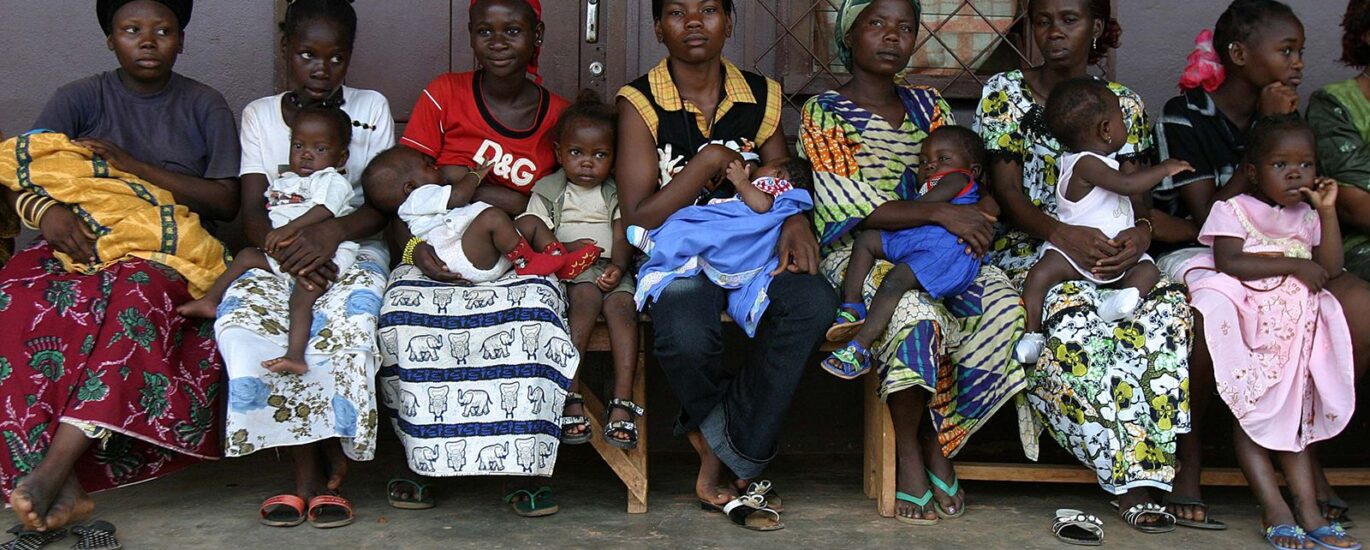
In developing countries, the situation is dramatically different. Limited education, insufficient healthcare access, gender norms, rural–urban disparities, and low socioeconomic status shape women’s reproductive decisions (UNICEF, 2023). For many, large families arise from cultural expectations, lack of contraceptive access, or dependence on male partners who control reproductive choices.
Illiteracy and Urban-Focused Sensitization
Illiteracy remains a key barrier to informed family planning. According to UNESCO (2022), women in rural areas are disproportionately affected by limited literacy. This makes it difficult for them to understand written awareness materials or interpret medical advice about contraception.
Moreover, many health education campaigns such as sensitization programs on contraceptive use are concentrated in urban areas, where access is easier for organizations and where populations are denser (WHO, 2023). Rural women often receive limited or no exposure to these programs. This urban bias creates a knowledge gap that directly influences reproductive behavior in developing countries.
Health Systems and Resource Connections
In theory, hospitals and clinics provide antenatal education that includes family planning. However, health systems in many developing countries struggle with workforce shortages, overcrowded facilities, and limited outreach. As a result, women especially those in rural regions do not always receive practical or relevant contraceptive education (WHO, 2022).
Additionally, coordination between hospitals and social services is often weak. While a woman may attend antenatal visits, she is not always connected to:
- community support programs,
- social welfare systems,
- counseling services, or
- domestic violence networks.
This lack of integration perpetuates cycles of poverty and low agency among women.
Trauma, Vulnerability, and Reproductive Choices
Trauma plays an underrecognized role in reproductive decisions. Women who have experienced lifelong poverty may be easily influenced by small financial incentives, offers of support, or promises of stability. Economic vulnerability can pressure women into relationships or situations that affect family size.
Further, many women in developing regions grow up in environments where they believe they have no voice—socially, economically, or within their homes (UN Women, 2021). Their reproductive decisions are often shaped by coercion or fear rather than personal desire.
For some, pregnancy becomes a coping mechanism or a perceived form of protection from abusive partners. Research shows that women experiencing intimate partner violence may become pregnant to maintain emotional security or reduce conflict, even when resources are limited (UNFPA, 2022). Although this does not justify child neglect, it highlights the need to see reproductive choices as part of a broader trauma-influenced reality.
Environmental and Social Response Mechanisms
Social and community dynamics also influence reproductive behavior. In many developing countries:
- cultural norms encourage large families,
- contraception is stigmatized,
- domestic violence systems are weak or inaccessible, and
- community leaders may discourage women from seeking reproductive autonomy.
Government response systems, including social welfare programs, child protection agencies, and rural health outreach, often lack funding or staffing (UNICEF, 2023). Without structural support, women are left on their own to manage child-rearing despite significant economic and social challenges.
Should Women Be Penalized?
You noted that bringing children into the world and neglecting them is a form of child abuse. Legally and ethically, that is correct. However, the question of whether women should be penalized requires careful consideration.
Arguments Supporting Penalties
- Severe child neglect threatens children’s welfare.
- Legal consequences may encourage responsibility.
- Child protection laws must safeguard vulnerable minors.
Arguments Against Penalties
- Many women lack access to contraception due to systemic failures.
- Punishment may target victims of abuse or poverty rather than addressing root causes.
- Penalties could worsen children’s lives if mothers are fined or imprisoned.
- Without social support systems, punishment does not prevent future neglect.
Conclusion
While severe child neglect warrants intervention, penalizing women solely for having many children ignores the complex barriers shaping their reproductive choices. Illiteracy, rural exclusion from sensitization programs, weak health systems, trauma, and cultural pressures all contribute to outcomes that may look like personal irresponsibility but are deeply systemic.
A balanced approach—strengthening education, expanding rural outreach, integrating social services, and empowering women economically—is far more effective than punishment alone. Accountability matters, but meaningful change comes from transforming the environments in which women make choices, not from penalizing them for circumstances shaped by inequality.
References
- UNFPA. (2022). The impact of humanitarian crises on women and girls. United Nations Population Fund.
https://www.unfpa.org/ - UNFPA. (2023). World population dashboard. United Nations Population Fund.
https://www.unfpa.org/data/world-population-dashboard - UN Women. (2021). Progress of the world’s women: No one left behind. UN Women.
https://www.unwomen.org/ - UNESCO. (2022). Global education monitoring report. UNESCO.
https://www.unesco.org/reports - UNICEF. (2023). The state of the world’s children 2023. UNICEF.
https://www.unicef.org/reports - World Health Organization. (2022). Family planning/contraception methods. WHO.
https://www.who.int/news-room/fact-sheets - World Health Organization. (2023). Primary health care in rural and remote communities. WHO
https://www.who.int