
Every year on October 1, the world observes the International Day of Older Persons. Established by the United Nations General Assembly in December 1990 (Resolution 45/106) and first observed in 1991, this day is dedicated to raising awareness about the opportunities and challenges of aging, combating ageism, and promoting the dignity of seniors worldwide.
Evolving Global Themes
2025 Focus: “Older Persons Driving Local and Global Action: Our Aspirations, Our Well-Being and Our Rights.” This theme highlights how older persons are not passive beneficiaries, but active drivers of progress who contribute to health equity, community resilience, and human rights advocacy.
2026 Focus: “The Age of Longevity: Rethinking Systems for Longer Lives.” This upcoming focus centers on the necessity of adapting our health and social protection systems to accommodate longer life expectancies, supporting healthy aging, and ensuring the permanent inclusion of senior citizens.
The Reality of Elder Abuse
Elder abuse an intentional act or failure to act by a person in a position of trust remains a critical human rights issue. The statistics reveal a sobering reality that requires urgent attention.
Prevalence of Abuse
Community Settings 1 in 6 (Approx. 15.7%)
Institutional/Nursing Homes Up to 2 in 3 (64.2% to 66%)
Note: Abuse is drastically underreported. Only 1 in 24 cases is typically brought to authorities, often due to fear of reprisal, dependence on caregivers, or cognitive impairment.
Forms of Abuse
- We categorize elder abuse into several critical areas that require community vigilance:
- Psychological/Emotional Abuse: Verbal assaults, intimidation, or social isolation.
- Financial Abuse: Unauthorized use, misuse, or theft of funds and assets.
- Neglect: The failure to provide basic necessities like food, shelter, or medical care.
- Physical Abuse: Inflicting physical pain, injury, or inappropriate physical restraint.
- Sexual Abuse: Non-consensual sexual contact of any kind.
- Risk Factors and Vulnerable Groups
Certain factors compound the risk of victimization:
Gender and Intersectionality: Older women face compounded risks due to the intersection of ageism, sexism, poverty, and isolation.
Health and Cognitive Status: Individuals with physical disabilities, mental health challenges, or cognitive impairments (such as dementia) are at significantly higher risk.
Addressing Data Gaps in Africa
Across Africa, older persons remain largely underrepresented in national development plans and Sustainable Development Goal (SDG) frameworks.
The Visibility Gap: A lack of robust data makes it difficult to design effective policy.
Structural Vulnerabilities: Poverty, rural isolation, and discriminatory inheritance practices continue to leave older adults, particularly women, in precarious positions.
The Path Forward: There is a pressing need to move from data scarcity to active enforcement, supporting regional frameworks like the African Union Protocol on the Rights of Older Persons.
Taking Action: Strategies for Prevention
Addressing elder abuse requires a multi-disciplinary approach that spans criminal justice, healthcare, and social services. Promising strategies include:
Caregiver Interventions: Providing services that relieve the burden of caregiving to reduce stress and prevent burnout.
Financial Protection: Implementing money management programs for those vulnerable to financial exploitation.
Emergency Support: Maintaining helplines and emergency shelters for those at immediate risk.
Systemic Integration: Integrating ageing into national development plans and financing frameworks to ensure that our policies match the demographic reality of an ageing world.
Our Mission at Wem’afrika
At Wem’afrika, we believe that every older person deserves to live with dignity, security, and respect. Our ongoing journey includes:
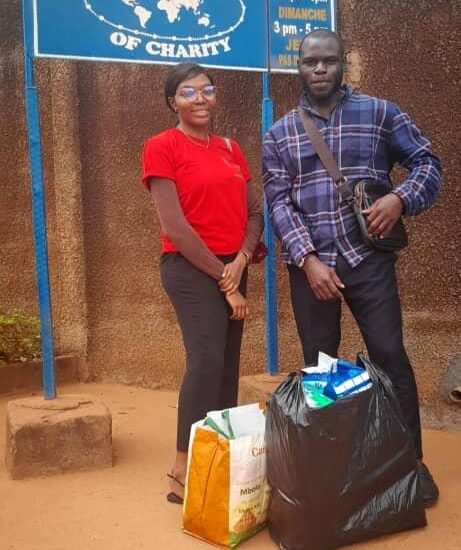
Direct Support: Regular visits to older persons’ homes to provide essential supplies and remind them that they are valued and not abandoned.
Advocacy & Awareness: Creating awareness about the rights of the elderly and ensuring they are acknowledged as vital members of our community.
Caregiver Education: Empowering caregivers with the knowledge and ethical framework required to provide high-quality care and prevent abuse.
Click here to watch our visit to an elderly home in Yaounde, Cameroon
Webinar:
By amplifying the voices of older persons and recognizing their contributions, we can move toward a society that ensures dignity, well-being, and rights for all, regardless of age.