
Introduction
The primary objective of this research is to examine maternal and reproductive health and mental well-being among women in Backcoco, Limbe, Cameroon.
Mental health is an essential component of overall well-being, yet it often remains overlooked or stigmatized in many societies. Just as physical health requires attention and care, mental health demands equal focus because it influences how we think, feel, and behave daily. Neglecting women’s mental health can lead to negative outcomes, including anxiety, depression, and other severe mental health disorders. It can also lead to physical ailments, such as high blood pressure, heart disease, and weakened immune systems. Furthermore, mental health issues can result in emotional imbalances. Feelings of isolation, hopelessness, and despair can overwhelm individuals, making it challenging to seek help.
Limited access to healthcare services presents a significant challenge. Although Limbe is a relatively urbanized area, accessibility issues persist. Poverty prevents many women from affording healthcare costs, including transportation, consultation fees, and medication. The distance to health facilities, particularly for those living in the outskirts of the city and in surrounding villages, can deter them from seeking timely medical attention. Moreover, there is a shortage of female healthcare providers, which may deter some women, particularly those from more conservative cultural backgrounds, from seeking care for sensitive health issues. Furthermore, the ongoing socio-political crisis in the Northwest and Southwest regions, while not directly centered in Limbe, has strained the healthcare system, with displaced populations increasing the demand for services and putting a strain on already limited resources.
Health Challenges for Women in Backcoco, Limbe, Southwest Cameroon.
Women in Limbe, Southwest Region of Cameroon, face a complex intersection of health challenges shaped by geography, socio-economic factors, and cultural norms. While general health concerns exist across the region, the women of Backcoco, a community nestled in a highly exposed, gravel-covered area directly behind the Limbe police station, confront particularly acute struggles. Their primary source of income, agriculture, requires arduous migration to distant communities, exposing them to unique vulnerabilities that impact their maternal and reproductive well-being. This report explores the specific health challenges confronting women in Backcoco, focusing on the socio-economic conditions that exacerbate their vulnerabilities and hinder access to quality healthcare.
Addressing the unique health challenges of women in limbe requires a multi-faceted approach that considered the interplay of socio-economic, cultural and environmental factors. This includes;
- Strengthen healthcare infrastructure and services by improving access to quality maternal and reproductive health services, primary care, and mental health services, with a focus on affordability and geographical accessibility.
- Promote health education and awareness by implementing culturally sensitive programs that raise awareness about key health issues, promote healthy behaviors, and challenge harmful cultural norms.
- Empower women by promoting gender equality, increasing access to education and economic opportunities, and enabling informed decisions about their health and well-being.
- Address gender-based violence (GBV) by strengthening legal frameworks to protect women, providing comprehensive support services for survivors, and challenging societal attitudes that condone violence against women.
- Tackle poverty and economic instability by implementing effective social protection programs, promoting sustainable economic development, and creating diverse employment opportunities to improve women’s economic security.
- Address the impact of the socio-political crisis by strengthening mental health support services and tailoring interventions to the specific needs of displaced populations and women affected by the crisis.
Methodology
This report employs a mixed-methods approach, integrating qualitative and quantitative data collection techniques to provide a comprehensive understanding of the health challenges faced by women in Backcoco, Limbe. Primary data was collected through semi-structured interviews and surveys conducted directly with women in the community, allowing for the gathering of both statistical information and in-depth personal narratives that offer a nuanced perspective on their experiences.
Interviews:
- Individual interviews were conducted with 20 women from Backcoco, selected through purposeful sampling to represent a range of ages, marital statuses, and livelihood experiences.
- These interviews explored key themes, including: maternal and reproductive health practices, access to healthcare services, prevalence of chronic illnesses, experiences with gender-based violence, mental health concerns, and socio-economic challenges.
- Interviews were conducted in Pidgin English or the local language, with assistance from a trained interpreter to ensure accurate communication.
Challenges and Mitigation Strategies:
The research process encountered several challenges, which were addressed through the following strategies:
Difficulty in Obtaining Information:
- Challenge: Gaining the trust of women and obtaining accurate information about sensitive health and reproductive issues was difficult due to prevailing cultural norms, stigma, and fear of judgment.
- Mitigation: Establishing rapport with community leaders and gaining their support proved crucial. The research team worked closely with trusted community members to introduce the study and explain its purpose. Female interviewers and surveyors were strategically employed to create a comfortable and confidential environment in which women could freely share their experiences. Participants were assured of anonymity and confidentiality, and informed consent was diligently obtained prior to each interview and survey.
Transportation Difficulties:
- Challenge: Reaching women in Backcoco, particularly those residing in remote areas or working on distant farms, posed logistical challenges due to the area’s difficult terrain and limited transport infrastructure.
Language Barriers:
- Challenge: While Pidgin English is widely spoken, some women felt more comfortable communicating in their local language.
Health challenge for women in Backcoco, limbe-southwest Cameroon.
Women must migrate to far-flung locations like Sokolo, Limbula, Karacter, Man of War Bay, and Mile 4. These destinations, often geographically challenging due to Limbe’s hilly terrain, require them to travel long distances to cultivate crops such as vegetables, cassava, corn, groundnuts, and plantains. This seasonal migration results in a precarious existence marked by prolonged periods of separation from their families, exposure to harsh weather conditions, and vulnerability to exploitation. The physical demands of farming, combined with inadequate nutrition and limited access to healthcare, take a significant toll on their health. As they travel to these other regions, they may face health issues, weather changes, and security risks that further jeopardize their well-being.
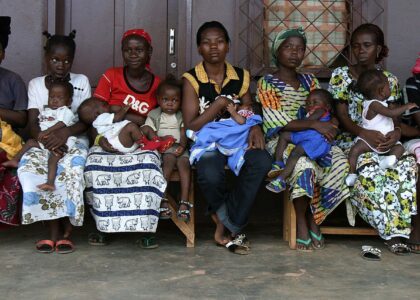
Maternal and reproductive health outcomes are particularly concerning in Backcoco. Limited access to prenatal care, skilled birth attendants, and essential medicines is compounded by the community’s isolation and economic hardship. Women often rely on traditional birth attendants, which can increase the risk of complications during childbirth. Teenage pregnancy is also a significant issue, with many girls dropping out of school as early as 15-20 years old, perpetuating a cycle of poverty and limited opportunities. These young mothers then join their mothers in the fields, further straining their already limited resources and health.
The harsh realities of life in Backcoco are reflected in the prevalence of chronic health conditions among women. Depression, high blood pressure, high blood sugar (diabetes), and muscle weakness are widespread, directly linked to the economic and emotional burdens they carry. A particularly devastating factor is the loss of their spouses at an early age, leaving them as sole providers for their children. This widowhood not only creates financial hardship but also contributes to profound loneliness, stress, and mental breakdown. Without the support of a partner, these women struggle to provide for their families, often sacrificing their own health and well-being to ensure their children’s survival.
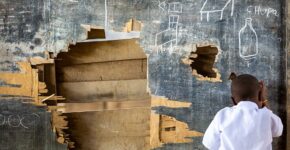
The economic pressures faced by women in Backcoco have a ripple effect on their children’s education and future prospects. Faced with dwindling resources and overwhelming responsibilities, many families are forced to pull their children out of school to contribute to the household income. This creates a cycle of intergenerational poverty, limiting the children’s opportunities for social mobility and perpetuating the challenges faced by their mothers. Early pregnancies among young girls further exacerbate this cycle, trapping them in a life of hardship and limited choices.
Furthermore, the women of Backcoco often lack access to basic amenities that are essential for maintaining good health. Clean water sources are scarce, forcing them to rely on potentially contaminated water for drinking and sanitation. Inadequate sanitation facilities contribute to the spread of infectious diseases, further burdening practices, such as female genital mutilation (although less common in Limbe compared to other regions), and preference for male children can negatively impact women’s health and well-being. Stigma surrounding certain health conditions, such as HIV/AIDS and mental illness, can also prevent women from seeking timely medical care and support.
Mental health challenges are often overlooked but represent a significant burden for women in Limbe. Socio-economic stressors, gender-based violence, chronic illnesses, and the ongoing socio-political crisis can contribute to high rates of depression, anxiety, and post-traumatic stress disorder (PTSD) among women. Stigma surrounding mental illness, coupled with a lack of access to mental health services, means that many women suffer in silence, without receiving the care and support they need.
Conclusion:
The situation facing women in Backcoco and Limbe is deeply concerning, revealing a complex web of interconnected challenges that significantly impact their health, well-being, and future prospects. Forced into seasonal migration and arduous agricultural labor, these women face precarious livelihoods, chronic health issues, limited access to essential resources, and significant mental health burdens. The lack of adequate healthcare, compounded by cultural norms and economic pressures, perpetuates a cycle of poverty and hardship that extends to their children, particularly girls. Widowhood, teenage pregnancy, and the absence of basic amenities further exacerbate their vulnerabilities. Ultimately, a sustainable solution requires a comprehensive and multi-faceted approach that not only addresses the immediate health needs of these women, but also tackles the underlying socio-economic inequalities, cultural biases, and environmental factors that contribute to their suffering. Without targeted interventions that prioritize their empowerment, access to resources, and mental and physical well-being, the women of Backcocoand Limbe will continue to face a future of hardship and limited opportunity, perpetuating a cycle of poverty and despair for generations to come.