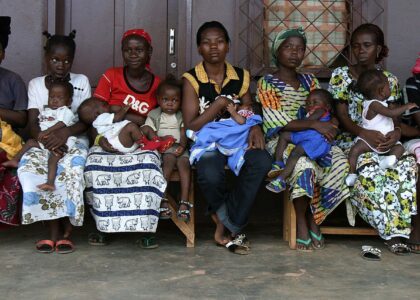

Family structures play a crucial role in promoting child welfare by providing the primary context for children’s caregiving, emotional support, resource allocation, and socialization, all of which deeply influence their health, development, and well-being.
Key roles of family structures in promoting child welfare include:
- Emotional Support and Stability: Families offer nurturing, love, and care, fostering children’s emotional development and psychological well-being. Nuclear families often provide stable environments conducive to emotional security, aiding cognitive and social development. Extended families, including grandparents, also contribute by offering additional caregiving, diverse perspectives, and intergenerational wisdom.
- Economic Support: Families ensure access to basic needs such as food, shelter, and clothing. Economic resources available within a family significantly affect a child’s educational opportunities, health, and overall development. Policies that enhance family financial resources or caregiving quality directly promote child welfare, especially in disadvantaged families.
- Socialization and Identity Formation: Families are the primary setting where children learn social norms, behaviors, and cultural identity, which influences their ability to function effectively in society. This includes defining social roles and helping regulate behavior.
- Challenges and Variations by Family Type: Children in single-parent families or stepfamilies may face additional challenges, including economic instability, disrupted routines, and less dual parental support, which can negatively affect emotional health, academic achievement, and behavior. Cohabiting and non-biological parent families often provide less stable environments than married biological parents
Community support systems, including extended families and informal networks, play a vital role in promoting child welfare by providing emotional support, practical assistance, and protective factors that help prevent crises and reduce the need for formal child welfare intervention.
Key aspects of community support systems include:
- Extended Families and Informal Networks: Extended family members such as grandparents, aunts, uncles, and close family friends often serve as primary informal support networks. These networks provide additional caregiving, resources, advice, and emotional support, helping to buffer stress and strengthen family stability.
- Community-Based Collaborations: Programs and initiatives like the Child Welfare Community Collaborations (CWCC) in the U.S. mobilize diverse community stakeholders—including public agencies, nonprofits, faith-based and volunteer organizations—to create coordinated services that address barriers to child and family well-being. These collaborations enhance prevention efforts and help families stay together longer by providing comprehensive support systems.
- Formal and Informal Services: Community support encompasses both formal services (e.g., family resource centers, parenting education, mental health and substance abuse programs) and informal ones (e.g., peer groups, local volunteer networks, neighborhood supports). Together, these form a safety net that can prevent abuse and neglect by addressing family needs before crises arise.
- Social and Community Context: Strong social connections and a supportive community environment positively impact family health and reduce child welfare system involvement. Community networks help families access services, concrete support (like food or financial aid), and mentorship, enhancing resilience.
- Inclusive and Collaborative Engagement: Effective community support requires partnerships between child welfare systems and community stakeholders based on trust, shared goals, and frequent communication. This includes engaging families and communities in designing solutions that address their unique needs.
Parental education has a profound impact on child-rearing practices, influencing both the day-to-day environment in which children are raised and the long-term developmental and academic outcomes they are:
Key ways parental education shapes child-rearing are;
- Parenting Styles and Practices: Higher parental education is consistently linked with the adoption of more effective parenting styles, particularly the authoritative style—which blends warmth, responsiveness, and structure. This approach is associated with improved emotional development, academic achievement, and social skills in children.
- Early Cognitive and Language Development: Parents with more education tend to use more complex, varied, and frequent language with their children, directly benefiting early language acquisition, reading skills, and cognitive development.
- Engagement and Stimulation: Educated parents are more likely to engage in activities that stimulate learning and curiosity, such as reading books together or participating in educational outings. Research shows these parents are more actively involved in their child’s schooling and educational progression, setting high expectations and fostering intrinsic motivation.
- Knowledge of Child Development: Higher education equips parents with knowledge about developmental milestones, positive discipline techniques, and child psychology. This translates into practices such as positive guidance, consistent routines, and greater receptiveness to children’s needs and perspectives.
- Health, Nutrition, and Well-Being: Educated parents are more likely to prioritize and access prenatal care, ensure proper nutrition, and create a healthier overall environment, leading to better physical and cognitive child outcomes.
- Reduction in Negative Practices: Access to parenting education or higher formal education is linked to less use of corporal punishment and a lower risk of child maltreatment. Educated parents tend to rely on reasoning, positive language, and appropriate boundaries over punitive measures.
Long-Term Child Outcomes: The effects of parental education extend into adolescence and adulthood, with children of more-educated parents demonstrating higher educational achievement, occupational prestige, and positive aspirations. These outcomes are mediated by the home environment, family routines, and parenting
Interventions and policy Implications
- Parenting Education Programs: Structured parenting education boosts positive parenting practices, improves parental confidence, reduces stress, and enhances child behavioral and developmental outcomes.
- Breaking Cycles of Disadvantage: Intervention studies highlight that even incremental increases in parental knowledge and beliefs about child development can lead to measurable improvements in child skills—helping address disparities rooted in socioeconomic status and parental education differences.
Case study
A relevant case study illustrating the role of family structures in promoting child welfare comes from a multidisciplinary research overview on family structure impacts on child outcomes, highlighting children raised in two-parent married families generally experience better physical, emotional, and academic well-being compared to those in single-parent or stepfamilies. This evidence-based summary underscores how stable family environments with dual parental support foster positive child development and reduce risks of behavioral problems.
Key insights from this and related research include:
- Children in two-parent married families tend to have higher levels of economic resources, more parental involvement (especially from fathers), and greater emotional stability, all benefiting child welfare.
- Single-parent families face challenges such as economic instability and less combined parental support, which can negatively affect children’s academic achievement, mental health, and social behaviors.
- Stepfamilies or families with frequent family structure transitions often expose children to additional complexities like relationship instability or conflicting family dynamics, which may increase risks for emotional and behavioral problems.
In summary, the case study evidence strongly supports that stable family structures—primarily married, two-parent households—play a protective and promotive role in child welfare by offering emotional, economic, and social resources that children need for optimal development. Challenges in alternative family forms highlight the importance of targeted supports through policy and community programs designed to reinforce family functioning and child well-being in diverse family contexts.
References
- Popenoe, D. (1993). American family decline, 1960-1990: A review and appraisal. *Journal of Marriage and Family, 55*(3), 527-542.
- McLanahan, S., & Percheski, C. (2008). Family structure and the reproduction of inequalities. *Annual Review of Sociology, 34*, 257-276.
- Carlson, M. J., & Berger, L. M. (2013). What kids get from parents: Packages of parental involvement across complex family forms. *Social
- Biblarz, T. J., & Gottainer, G. (2000). Family structure and children’s success: A comparison of widowed and divorced single-mother families. *Journal of Marriage and Family, 62*(2), 533-548.
- McLanahan, S., Tach, L., & Schneider, D. (2013). The causal effects of father absence. *Annual Review of Sociology, 39*, 399-427.