
Introduction
Child labour remains a significant challenge affecting children and families across many communities. While children may engage in informal economic activities for different reasons, prolonged work, particularly when it interferes with education, exposes children to exploitation, or is undertaken under coercion, can have serious consequences for their development and well-being.
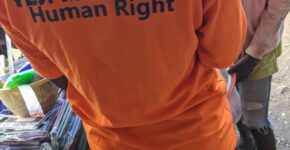
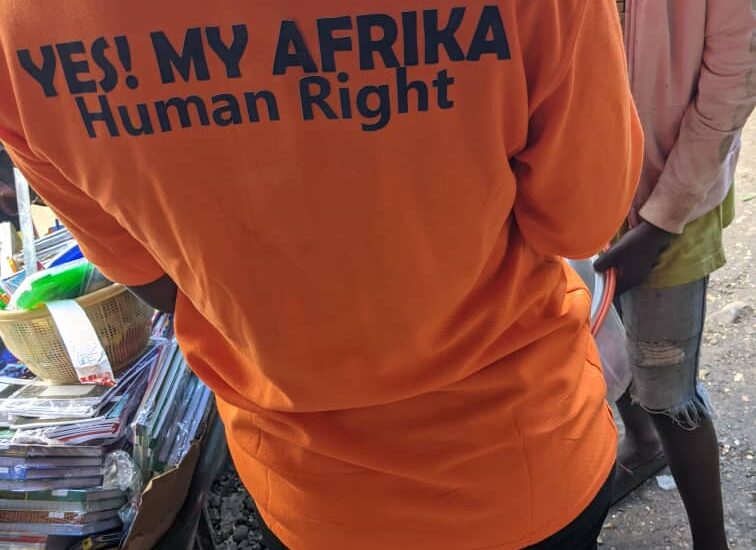
On 31 August, volunteers from Wem’afrika conducted a humanitarian outreach at Buea-Muea Market in the Southwest Region of Cameroon to better understand the experiences of children involved in informal selling activities.
The outreach sought to explore why children engage in selling, how frequently they work, the relationship between their work and education, their awareness of their rights, and the type of support they need as they prepare to return to school.
A structured questionnaire was used to guide conversations with the children. In addition to collecting information, the outreach provided an opportunity to listen directly to children’s experiences and identify areas where community support could make a difference.
Who Participated?
A total of 20 children participated in the outreach.
The initial objective was to achieve an equal gender representation of 10 boys and 10 girls. However, the final participation consisted of:
12 boys
8 girls
The children were aged 9 years and above, with the majority being younger children.
Among the participants, 17 children reported that they were attending school. Of these:
14 were primary school pupils
3 were secondary school students
This finding highlights an important reality: many children involved in market activities are still connected to the education system, but their participation in economic activities may place additional pressure on their education and well-being.
Why Are Children Selling?
One of the most important questions during the outreach was why the children were engaged in selling activities.
The responses revealed different motivations.
Only 2 children said they sell because they enjoy doing so. Meanwhile, 12 children reported that they sell in order to raise money for school fees and other back-to-school needs.
Most concerning, however, was that 6 children reported that they sell because they are forced to do so.
These findings demonstrate that child labour cannot always be understood simply as a child’s choice to work. For some children, economic hardship, family circumstances, and pressure from adults may play a significant role in their involvement in work.
When Do Children Work?
The outreach also explored whether the children worked during school periods, holidays, or both.
The responses showed that:
8 children reported selling during holidays only.
12 children reported selling during both holidays and school periods.
This is particularly concerning because work undertaken during school periods can potentially affect children’s attendance, concentration, study time, rest, and overall educational experience.
How Long Do They Work Each Day?
The daily working periods reported by the children were also significant.
3 children reported selling during the morning.
4 children reported selling during the afternoon and evening.
13 children reported selling continuously from morning until evening.
The fact that most of the children reported spending much of the day selling raises important questions about adequate rest, access to education, protection from exploitation, and the overall conditions in which children are working.
Do Children Know Their Rights?
Perhaps one of the most significant findings from the outreach was the children’s limited awareness of their rights.
Of the 20 participants:
18 children said they were not aware of their rights as children.
Only 2 children reported being aware of their rights.
Children’s rights include the right to education, protection from exploitation and harmful forms of work, protection from violence and abuse, and the opportunity to develop in a safe and supportive environment.
When children do not know their rights, they may also be less able to recognize situations in which those rights are being violated or seek appropriate assistance.
This finding reinforces the importance of child-rights education and awareness programs within communities, schools, markets, and other spaces where children are present.
What Support Do Children Need?
The outreach also asked whether the children were aware of community support that could help them prepare for school.
17 of the 20 children said they did not know whether the community could provide assistance with back-to-school materials.
When asked what kind of support they would need, the children identified several basic educational materials, including:
School books
School bags
School shoes
Pens
Pencils
Other school supplies
These seemingly simple items can make a significant difference to children from families experiencing financial difficulties.
Supporting a child to return to school is not only about providing educational materials. It is also an investment in the child’s confidence, dignity, learning opportunities, and future.
Children Want to Learn About Their Rights
One of the most encouraging findings was the children’s willingness to learn.
19 out of the 20 children expressed interest in receiving training on children’s rights.
This demonstrates that children are not only affected by the challenges surrounding child labour; they are also interested in understanding their rights and learning how they can protect themselves.
For Wem’afrika, this finding presents an opportunity to develop child-friendly awareness sessions focusing on:
Children’s rights and responsibilities
The importance of education
Child labour and exploitation
How to identify unsafe situations
How and where to seek help
Protection from abuse and violence
The importance of reporting concerns to trusted adults and appropriate authorities
What Do These Findings Tell Us?
The outreach at Buea-Muea Market provides an important snapshot of the experiences of children involved in informal selling activities.
Several key issues emerged from the discussions.
First, poverty and educational costs appear to be important factors. Twelve children indicated that they sell to raise money for school fees and other school-related needs.
Second, some children experience coercion. Six children reported that they were forced to sell, highlighting the need for stronger child protection mechanisms and community awareness.
Third, many children work during school periods. Twelve participants reported selling during both holidays and school periods, which may create challenges for their education.
Fourth, children have limited awareness of their rights. Eighteen participants reported that they did not know their rights as children.
Finally, there is a clear demand for support. Children expressed a need for educational materials and overwhelmingly indicated that they would welcome training on their rights.
Moving From Listening to Action
The findings from this outreach remind us that addressing child labour requires more than simply telling children not to work.
Families and communities may face economic challenges that influence children’s involvement in informal work. Therefore, meaningful intervention requires a child-centred and community-based approach.
Possible interventions include:
Child-rights awareness sessions in schools and communities.
Back-to-school support for vulnerable children, including books, bags, shoes, and stationery.
Community sensitization on the dangers and consequences of harmful child labour.
Parent and caregiver education on child protection and the importance of education.
Referral mechanisms for children experiencing forced labour, abuse, or exploitation.
Continued monitoring and community outreach to better understand the scale and nature of child labour.
Conclusion
The voices of these 20 children provide more than statistics. They provide a glimpse into the realities faced by children who are balancing education, family responsibilities, and economic activities.
Behind every number is a child with hopes, dreams, and the right to grow up in a safe and supportive environment.
At Wem’afrika, we believe that every child deserves the opportunity to learn, grow, and thrive without exploitation. Addressing child labour requires collective action from families, schools, communities, civil society organizations, government institutions, and other stakeholders.
The Buea-Muea outreach is only one step. But listening is where meaningful action begins.
When children know their rights, communities understand their responsibilities, and vulnerable families receive support, we move closer to creating communities where every child can return to school, pursue their dreams, and build a better future.
Field Outreach Report | 27-28 August 2023
Wem’afrika Humanitarian Department
Working with communities to promote protection, dignity, education, resilience, and sustainable development.
Yes! My Africa field