
When we ask, “Why didn’t she report?”, we often ask the wrong question.
The better question is:
“What made it so difficult for her to speak, seek help, or feel safe enough to report?”
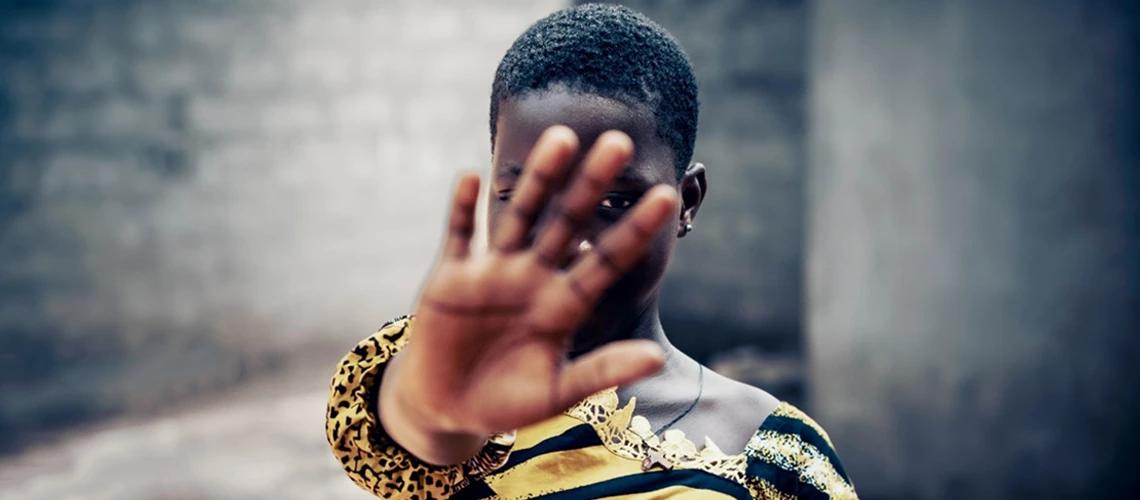
For many women and girls who experience sexual and gender-based violence, silence is not a choice. It is often a response to fear, stigma, trauma, economic dependence, social pressure, and a lack of trust in the systems that are supposed to protect them.
According to the information presented in our advocacy material, fewer than 10% of adolescent girls who experience sexual violence seek professional help. Behind this statistic are individual experiences that deserve to be understood—not judged.
Silence Does Not Mean Consent
A survivor’s decision not to report does not mean that the violence was insignificant.
Sometimes, speaking out can feel more dangerous than remaining silent.
A girl may fear that her family will blame her. A woman may worry that she will be rejected by her community. A survivor may fear retaliation from the perpetrator or may depend economically on the person who harmed her.
Others may have experienced institutions that failed to listen, believe, or protect them.
Therefore, asking why survivors do not report requires us to examine not only the survivor’s decision but also the environment surrounding that decision.
The Barriers Survivors Face
1. Fear of Stigma and Victim-Blaming
Survivors are sometimes asked questions that shift responsibility from the perpetrator to the person who experienced violence.
“Why were you there?”
“Why didn’t you leave?”
“What were you wearing?”
These questions can deepen shame and discourage survivors from seeking help.
The responsibility for violence belongs to the perpetrator—not the survivor.
2. Fear of Discrimination and Social Exclusion
In some communities, speaking about sexual or domestic violence can lead to rejection, gossip, isolation, or discrimination.
A survivor may therefore feel that reporting the violence could result in losing her family, relationships, community, or social support.
3. Lack of Accessible Support Services
Reporting requires more than courage.
Survivors need access to safe and confidential services, including appropriate medical care, psychosocial support, legal assistance, protection mechanisms, and referral pathways.
When these services are unavailable, difficult to reach, unaffordable, or poorly coordinated, survivors may have nowhere to turn.
4. Fear of Retaliation
For some survivors, reporting can create fears of further violence.
A perpetrator may threaten the survivor, her children, family members, or livelihood.
When survivors believe that reporting will expose them to greater danger, silence can become a survival strategy.
5. Economic Dependence
Economic dependence can make leaving an abusive relationship extremely difficult.
A woman may depend on her partner for housing, food, education for her children, or financial support.
This means that addressing gender-based violence must also involve economic empowerment.
Women need choices—and meaningful choices require access to resources.
6. Distrust in Justice and Reporting Systems
A survivor may ask:
“If I report, will anyone believe me?”
“Will anything actually happen?”
“Will I be protected?”
When survivors perceive reporting systems as inaccessible, insensitive, slow, or ineffective, trust is weakened.
Building survivor confidence therefore requires institutions that listen, respond appropriately, protect confidentiality, and provide clear pathways to support.
7. Cultural and Social Norms
In some contexts, gender-based violence is treated as a private family matter rather than a public safety and human rights concern.
This can discourage survivors and communities from intervening.
Changing these norms requires sustained education and community engagement—including meaningful engagement with men and boys.
8. Shame, Trauma, and Fear of Not Being Believed
Violence can profoundly affect how a survivor understands herself, her relationships, and the world around her.
Trauma can make it difficult to speak about what happened.
Fear of disbelief can make the decision even harder.
Listening without judgment is therefore an essential part of survivor-centred support.
The Consequences of Silence
When survivors cannot access appropriate support, the consequences can extend far beyond the immediate incident.
They may experience:
- Untreated physical injuries
- Psychological and emotional distress
- Increased vulnerability to further violence
- Interrupted education
- Reduced economic opportunities
- Social isolation
The consequences can affect not only an individual but also families, communities, and future generations.
A girl who leaves school because of violence may lose educational opportunities. A woman who cannot safely leave an abusive relationship may remain exposed to repeated violence. A survivor who is isolated from support may struggle to rebuild her life.
This is why survivor support is not simply a response to violence.
It is an investment in recovery, dignity, resilience, and opportunity.
What Can We Do?
Ending the silence requires action at multiple levels.
Create Safe Spaces
Women and girls need environments where they can speak without being blamed, judged, or shamed.
Strengthen Survivor-Centred Services
Support systems should place the survivor’s safety, dignity, choices, confidentiality, and needs at the centre of the response.
Improve Access to Justice
Reporting mechanisms and justice systems must be accessible, responsive, and trusted by survivors.
Empower Women and Girls
Education, economic opportunity, leadership, information, and social networks can strengthen women’s ability to make choices and access support.
Educate Communities
Prevention begins with conversations that challenge harmful beliefs about gender, power, violence, consent, and responsibility.
Listen to Survivors
Survivors should not simply be treated as beneficiaries of programs. Their experiences and knowledge should help shape the policies, programs, and systems designed to protect them.
Wem’Afrika Stands
At Wem’Afrika, we believe that breaking the silence requires more than telling survivors to speak.
- It requires us to build communities where speaking is safe.
- It requires institutions that survivors can trust.
- It requires services that are accessible.
- It requires economic and social empowerment.
- It requires accountability.
And it requires all of us to challenge the cultures and systems that allow violence to continue.
“Breaking the silence starts with creating safe spaces, strengthening survivor-centred services, and ensuring every woman and girl has access to protection, justice, and support.”
Our work through Seeds of Change reflects this broader commitment to women’s empowerment, community participation, education, and creating pathways toward greater resilience and agency.
Because prevention begins before violence occurs.
Protection begins when we listen.
And change begins when we refuse to normalize violence.
A Question for All of Us
Instead of asking:
“Why didn’t she report?”
Let us ask:
“What can we change so that the next survivor knows she will be believed, protected, supported, and heard?”
That is where meaningful change begins.
By Wem’Afrika | Gender, Protection & Community Empowerment
Wem’Afrika
Yes! My Africa
Building safer, stronger, and more inclusive communities across Africa.