
Schools are meant to be safe spaces where children and young people can learn, develop, and prepare for the future. Yet across Africa and other conflict-affected regions, schools and the people who work and learn in them are increasingly exposed to violence, insecurity, intimidation, and conflict.
According to a 2026 Education International report, drawing on the experiences of 358 teachers and education support personnel across at least 19 countries, as well as in-depth case studies from Nigeria, South Sudan, Mozambique, Cameroon, and the Democratic Republic of Congo, educators are facing a wide range of violations, including threats, intimidation, looting, military occupation of schools, abductions, and killings.
These attacks do not only affect individual teachers and students. They create wider systemic consequences, including school closures, displacement, trauma, rising dropout rates, and the erosion of the teaching profession.
Conflict and Security Attacks on Educators
The risks facing educators and students are occurring in different forms.
Armed Conflict and Attacks on Schools
Conflict-affected communities have experienced attacks in which students and education personnel have been killed, injured, arrested, kidnapped, or forced to flee.
In countries such as Nigeria and the Democratic Republic of Congo, localized conflicts and ideological opposition to secular or Western education have contributed to the deliberate targeting of schools and teachers. These attacks have resulted in school closures, displacement, and disruption to education.
The situation is not limited to individual schools. Data compiled globally and regionally indicate that attacks on education increased significantly during 2024–2025, with thousands of students and education personnel affected.
Military Occupation and Use of Schools
The military occupation or use of schools creates additional risks for teachers and students. When schools are used for military purposes, they can lose their protective character and become exposed to conflict.
In the eastern Democratic Republic of Congo, armed groups have reportedly targeted or occupied hundreds of schools, further disrupting access to education.
Threats, Abductions, Looting and Killings
Teachers and education personnel in conflict-affected areas may face threats, intimidation, abductions, looting, physical attacks, and killings.
These violations create fear among educators and students and can force families and teachers to leave their communities.
School Closures and Displacement
Insecurity has also resulted in large-scale school closures. In West and Central Africa, insecurity has forced thousands of schools to close, affecting students’ access to education and disrupting the livelihoods of teachers.
When schools close, students lose not only access to education but also important spaces for social development, protection, and community engagement.
Impact on Educators and Schools
Violence in and around schools has serious consequences for educators.
Mental and Physical Health
Victimization and exposure to violence can lead to high levels of stress, anxiety, depression, trauma, and post-traumatic stress symptoms among school staff.
Teachers working in unstable environments may also experience burnout and emotional exhaustion, particularly when they lack adequate psychological and institutional support.
Teacher Shortages and Attrition
Experiencing or witnessing violence can increase teachers’ intention to transfer schools or leave the profession entirely.
This can contribute to teacher shortages, particularly in communities that already have limited educational resources.
The consequences therefore extend beyond the individual teacher. When experienced educators leave, schools can lose important knowledge, experience, and leadership capacity.
Violence Within Schools and Communities
School violence is not limited to armed conflict.
In some communities, teachers and students also face violence from learners, community members, gangs, and other actors.
For example, statistics and case studies from South Africa have documented violence involving learners, educators, and community actors. At the same time, reports also document instances in which educators themselves engage in corporal punishment or other forms of abuse against students.
This demonstrates the need to address school violence from multiple directions: protecting teachers and students while also ensuring accountability for misconduct and abuse within educational institutions.
What Can Be Done?
Research and experience point to the importance of prevention, preparedness, accountability, and community involvement.
Proactive Training
Teachers and education personnel need professional training in:
- Trauma-informed care
- Classroom management
- Social-emotional learning
- Conflict prevention and resolution
- Threat assessment
- Emergency preparedness
- Supporting students affected by trauma
- Training can help educators identify risks early and respond to difficult situations without escalating conflict.
Supportive School Environments
Reducing violence requires strong administrative support, clear and positive school discipline policies, and cooperation among:
- Teachers
- Students
- School administrators
- Parents
- Community leaders
- Local authorities
- Civil society organizations
A safe school environment must be built collectively.
The Way Forward
To protect educators and students and ensure the continuity of learning, several actions are necessary.
Strict Implementation of the Safe Schools Declaration
Governments should translate commitments under the Safe Schools Declaration into concrete national and domestic measures.
This includes clear rules prohibiting armed forces and armed groups from using schools, classrooms, and educational facilities for military deployment, operations, or logistics.
Early Warning and Early Response Systems
Schools and communities need mechanisms that allow them to identify and communicate emerging threats before they escalate.
Localized and community-led early warning systems can provide timely information about nearby security risks. Schools should also have appropriate communication tools, emergency procedures, and response protocols.
Psychological and Financial Support for Educators
Teachers working in high-risk environments need access to:
- Psychosocial and trauma-informed support
- Medical care and insurance
- Appropriate hardship allowances
- Safety training
- Classroom-management support
- Emergency preparedness training
Supporting teachers is essential to maintaining the continuity and quality of education.
Stronger Community Governance
Schools cannot address insecurity alone.
They should work with parents, community organizations, traditional leaders, local authorities, law enforcement, and civil society to develop locally appropriate approaches to school safety.
Community participation can strengthen early identification of risks, improve communication, and create stronger relationships between schools and the communities they serve.
Strong Accountability and Child Protection
School safety must also include protection from violence occurring within educational institutions.
Schools and education authorities should strengthen:
- Codes of conduct
- Child protection mechanisms
- Reporting and referral systems
- Safeguarding procedures
- Background and appropriate screening processes
- Confidential reporting mechanisms.
- Accountability for abuse and misconduct
Teachers and students should be able to report violence without fear of retaliation.
Wem’Afrika’s Contribution: Building Peace Ambassadors
At Wem’Afrika, we believe that preventing conflict in schools requires more than responding after violence has occurred. It requires building the knowledge, skills, confidence, and relationships that enable students and educators to become contributors to peace.
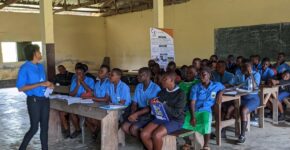
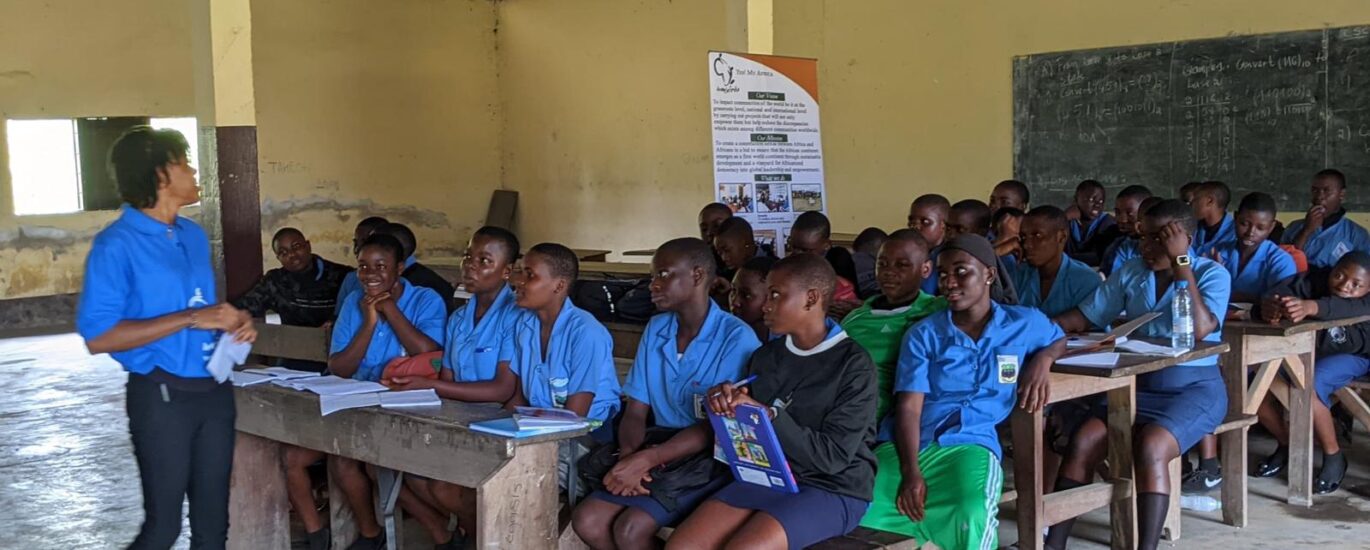
Our Mitigating Conflicts in Schools initiative supports teachers and students in understanding conflict and developing the capacity to become peace ambassadors within their schools and communities.
Through our Peace Clubs and school-based activities, we engage students in discussions and activities focused on:
- Peaceful coexistence
- Conflict prevention
- Communication
- Understanding differences
- Peacebuilding
- Positive relationships
- Conflict management
- Creating safer school environments
So far, Wem’Afrika has worked with more than seven schools, engaging students and school communities through different activities designed to promote peaceful cohesion.
Our Peace Club at GBHS Bokwango in Buea, Cameroon, for example, engaged 30 students from Form 4 to Upper Sixth and focused on peaceful cohesion both in school and at home.
These activities are part of a broader effort to ensure that young people are not simply recipients of peace messages but become active participants in building peaceful communities.
Our Vision for the Future
The challenges facing schools across Africa require sustained action.
We intend to take this work further by reaching more schools across Cameroon and Africa, engaging more students and educators, strengthening Peace Clubs, expanding conflict-prevention education, and creating opportunities for young people to become active peace ambassadors.
Building peaceful schools is not the responsibility of teachers alone. It requires students, parents, school administrators, communities, governments, civil society organizations, and partners working together.
When we equip young people with the knowledge and skills to understand and manage conflict peacefully, we invest in safer schools and more peaceful communities.
Learn More
We invite you to learn more about Wem’Afrika’s work in mitigating conflicts in schools.
Click the link below to watch our webinar and explore the activities we have conducted through our Peace Clubs.
Together, we can support educators, empower students, strengthen peaceful schools, and contribute to a more peaceful Africa.