
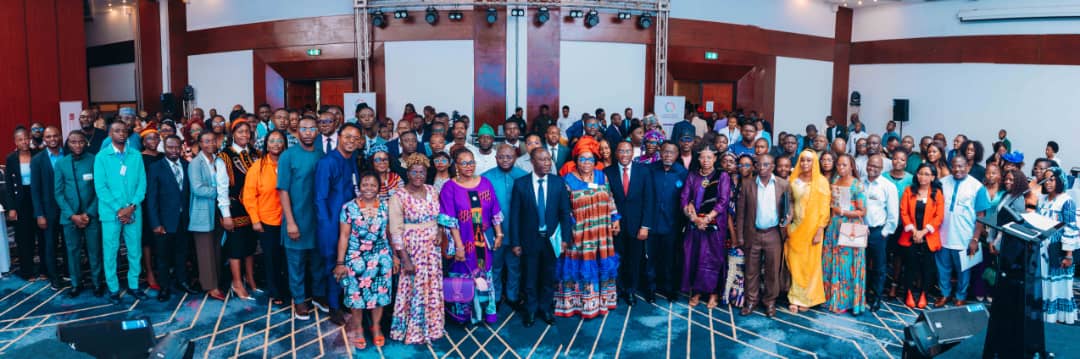
For years, Central Africa has produced valuable research. The central question, however, is whether this research is being translated into meaningful policy and practical action.
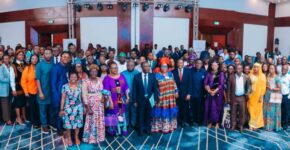
This question shaped the 4th Central Africa Think Tank Forum, held at the Hilton Hotel in Yaoundé under the theme “From Research to Action: Strengthening Policy Uptake in Central Africa.” Wem’Afrika was pleased to participate in this important platform, which brought together researchers, policymakers, government representatives, civil society organizations, think tanks, and development actors to discuss how evidence can better inform decision-making across the region.
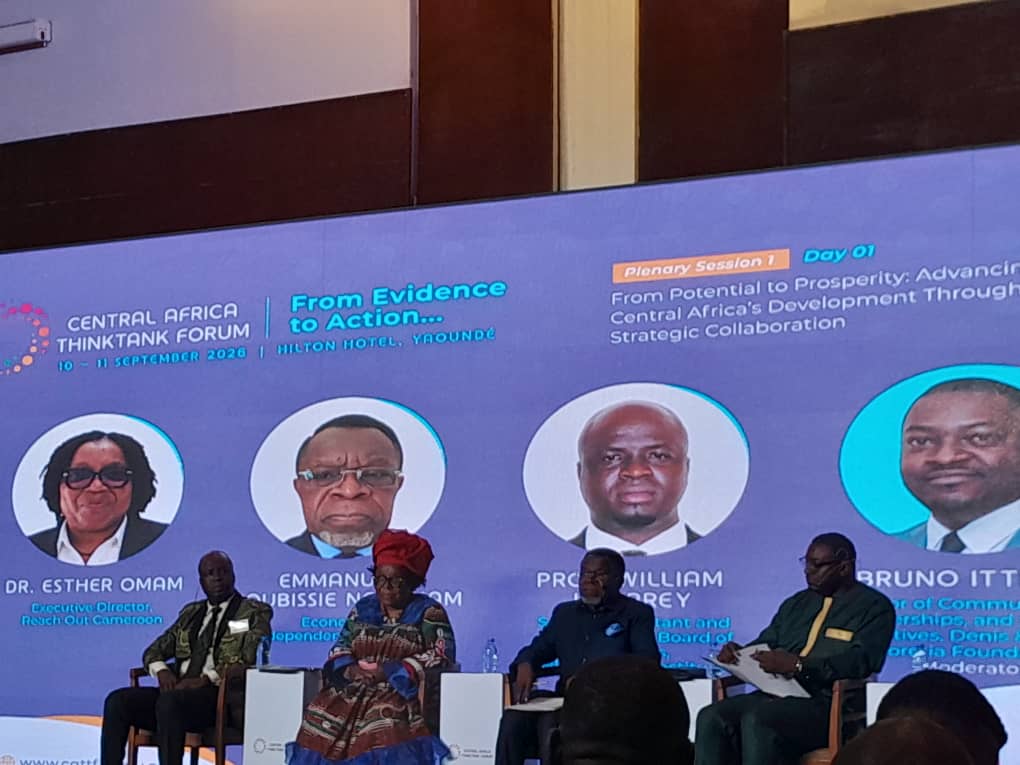
The forum was opened by Dr. Denis Foretia, Executive Chairman of the Nkafu Policy Institute, who highlighted the persistent gap between research production and policy implementation. Mr. Nathan Ntaten Wulijungwi, Inspector General representing Cameroon’s Minister of SMEs, Social Economy and Handicrafts, connected this gap to the challenges facing micro, small, and medium-sized enterprises, including organizational fragility, dependence on imported goods, and the limited participation of young people in decision-making processes.
The breakout sessions examined these challenges across several sectors. In the health track, Dr. Albert Ze of IRESADE emphasized the difference between having healthcare facilities and having functional health systems. Dr. Anicet Onana of Data Science Without Borders questioned how research and data can be transformed into practical solutions, while representatives of the Nkafu Policy Institute noted that evidence-based policymaking remains insufficiently institutionalized in the region.
Other discussions focused on governance, job creation, civil society, and the role of research institutions in strengthening public policy. The first day concluded with reflections from Prof. Louis Richard Njock, Secretary General of the Cameroon Ministry of Public Health, on leadership and accountability in health financing.
The second day focused on three major issues: the financing of think tanks and civil society organizations, artificial intelligence governance, and employment opportunities for young people and women in Central Africa.
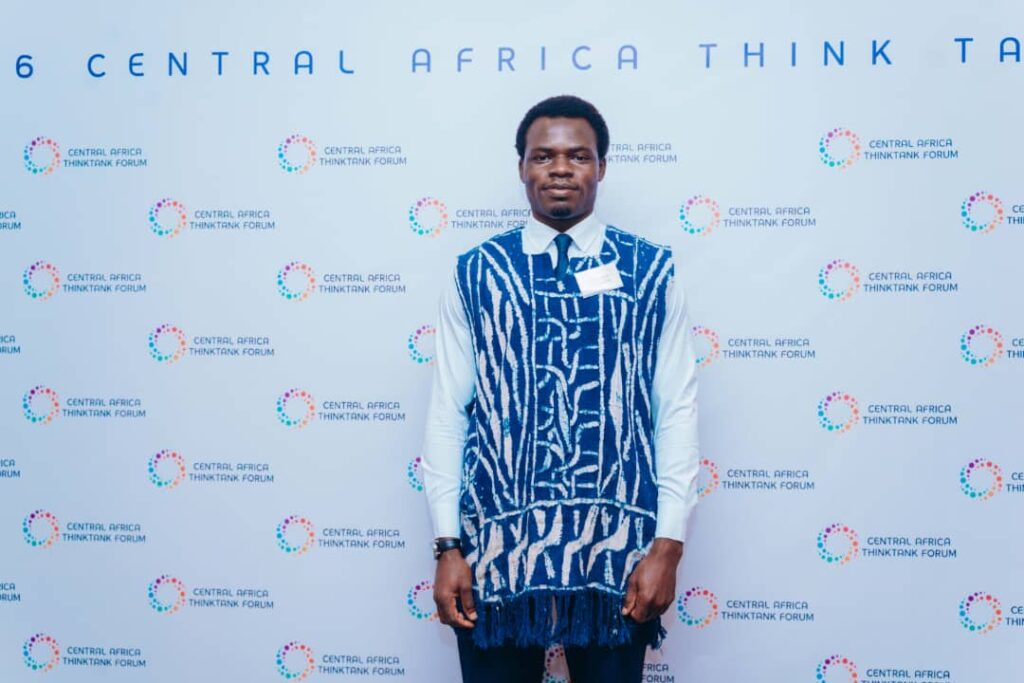
Financing of Think Tanks and Civil Society Organizations
Participants discussed the negative impact of global funding cuts on the operational capacity of civil society organizations. In some cases, organizations have reportedly been forced to reduce their human resources by nearly 70 percent. These developments have exposed the vulnerability of organizations that depend heavily on external donors to sustain their activities.
The discussions also highlighted the importance of organizational compliance with national laws and regulations. Irregularities within the civic space have resulted in the closure of some organizations, while others have received limited government support. A representative from the Supreme Court Audit Bench explained that government financial mechanisms are available to civil society organizations that comply with the relevant regulations.
For Wem’Afrika, this discussion reinforced the importance of strengthening internal systems, maintaining proper documentation, complying with government requirements, and developing more sustainable approaches to organizational financing.
Artificial Intelligence and Digital Sovereignty
Participants recognized that artificial intelligence and digital services could significantly contribute to addressing development challenges in Central Africa. However, governments were encouraged to invest in AI infrastructure and data centres to strengthen digital sovereignty and reduce dependence on foreign technology providers.
The discussions also raised concerns about security, data protection, ethical use, and the need to train populations and industries to use AI responsibly. Dependence on external AI platforms may create challenges for national security and technological independence if local capacity is not developed.
Employment and Skills Development for Youth and Women
Although Central Africa has a very young population, participants argued that the region’s major challenge is not simply unemployment but the mismatch between education and the skills required in today’s economy.
Dr. Sunjo noted that current university curricula and policies that encourage general studies may not adequately prepare young people for employment. Participants therefore recommended greater investment in technical and vocational institutions, improved access to practical training, and education policies that respond to current labour-market needs.
The discussion emphasized the importance of preparing young people and women with practical, technical, entrepreneurial, digital, and leadership skills that can support employment and sustainable development.
Lessons for Wem’Afrika
The forum provided several important lessons for our organization and partners:
- Reduce dependence on external funding by developing sustainable resource-mobilization strategies and strengthening organizational systems.
- Understand and comply with government regulations concerning the establishment and operation of civil society organizations.
- Participate actively in policy conversations and ensure that field experiences, community concerns, and research findings are translated into evidence-based recommendations.
- Strengthen collaboration with other civil society organizations and think tanks through joint projects, knowledge exchange, advocacy, and capacity-building initiatives.
- Invest in digital skills and responsible AI use to improve organizational effectiveness and support development-oriented initiatives.
- Promote practical education and skills development for young people and women, particularly in areas connected to employment, entrepreneurship, technology, and leadership.
The Central Africa Think Tank Forum 2026 demonstrated that research becomes meaningful when it informs decisions, strengthens institutions, and responds to the needs of communities. Wem’Afrika remains committed to contributing to policy discussions, building partnerships, supporting evidence-based advocacy, and promoting inclusive development across Africa.
Yes! My Africa.
Author and Representative
Kellian Mbianda is an advocate of the United Nation 16th sustainable development goal of “Peace, Justice and strong Institutions,” and a postgraduate in International Relations from the University of Buea. Currently, he works in the department of conflict management at Wem’afrika.