
Source: openglobalrights.org
WEM’AFRIKA | HUMAN RIGHTS DEPARTMENT
Introduction
Human rights are often discussed in international conferences, government institutions, courtrooms and policy documents. Yet their true meaning is reflected in everyday experiences. A child who cannot access education, a woman who experiences discrimination, or a community excluded from decision-making raises questions about how rights are realised in practice. The Universal Declaration of Human Rights (1948) established a common international standard of dignity and rights. But legal recognition alone does not guarantee practical protection. What is the value of a recognised right if people cannot meaningfully exercise it?
1. Understanding Human Rights Beyond Legal Recognition
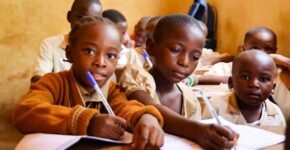
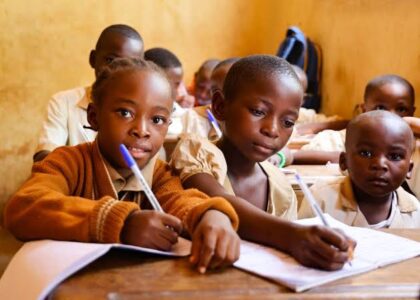
Human rights are inherent to all individuals and include civil, political, economic, social and cultural rights: life and personal security, education, adequate living standards, equality, expression, participation and effective remedies. Their precise legal obligations depend on applicable treaties and national laws. A country may recognise education as a right while children in remote areas face poor roads, inadequate classrooms or a shortage of teachers. Likewise, anti-discrimination laws may coexist with unequal treatment. Effective rights protection therefore requires implementation, institutions and accessible services.
2. Why Does the Gap Between Rights and Reality Exist?
- Limited awareness: Some people do not know their rights or where to seek help. Human rights education matters, but awareness alone is not enough without responsive institutions.
- Poverty and inequality: Financial hardship can prevent access to school, healthcare and legal support, even where services formally exist.
- Weak implementation and accountability: Laws and policies require adequate resources, monitoring, independent oversight and meaningful remedies.
- Social and cultural barriers: Discriminatory attitudes and restrictive expectations can limit opportunities for women, children, persons with disabilities and others.
- Geographical inequality: Distance, transport costs and concentrated urban services can make access especially difficult in rural communities.
3. Human Rights and Rural Communities
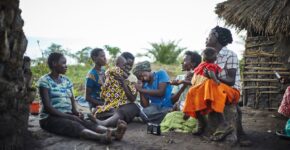
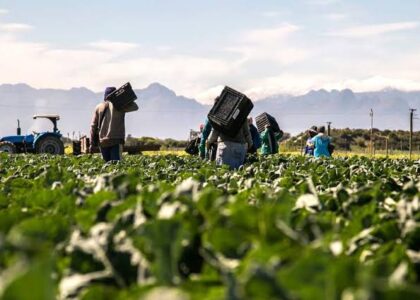
A rural woman may work in agriculture and informal trade while facing limited access to healthcare, finance and local decision-making. Economic insecurity, education, health and participation are interconnected. A child experiencing neglect or exploitation may need education, family support, social protection and safeguarding services together. Community-based approaches should therefore examine the wider conditions affecting people’s lives, rather than treating each right in isolation.
4. Human Rights, Human Security and Peace
Human security concerns protection from critical threats to survival, livelihood and dignity. Persistent discrimination, insecurity and exclusion can undermine trust and contribute to grievances, although rights violations do not automatically lead to violent conflict. Human rights protection can support peacebuilding through justice, inclusion, accountability and participation. Sustainable peace should be assessed not only by the absence
of violence, but also by whether people can live with dignity and access essential services.
5. From Policy Commitments to Community Outcomes
The Office of the United Nations High Commissioner for Human Rights distinguishes three useful kinds of indicators. Structural indicators examine legal and institutional commitments. Process indicators assess implementation efforts and resources. Outcome indicators examine whether people actually enjoy their rights. For education, it is not enough to know whether schooling is legally guaranteed: accessibility, attendance, teaching quality and learning outcomes also matter. This approach shifts attention from promises to measurable community outcomes.
6. Wem’afrika’s Perspective: Human Rights Must Be Meaningful at the Community Level
At Wem’afrika, we believe that human rights protection should not end with laws or international commitments. Rights must be understood, accessible and reflected in daily experience. Our work in research, training and community engagement recognises that challenges affecting vulnerable populations are interconnected. Communities should be participants in identifying needs, shaping interventions and evaluating results—not merely recipients of assistance.
We propose five priorities: (1) make human rights education accessible in communities; (2) ensure community voices influence policy implementation; (3) promote collaboration among institutions, civil society and local leaders while recognising states’ primary legal responsibilities; (4) include vulnerable and underserved groups; and (5) measure progress through changes in people’s experiences, not only the number of activities delivered.
7. Recommendations for Policymakers and Development Practitioners
Strengthen community-based human rights education in accessible languages and formats. Improve rural access to schools, healthcare, social protection and justice. Create safe, effective reporting and remedy mechanisms. Involve women, young people, persons with disabilities and marginalised groups in decisions. Invest in local institutional capacity. Use disaggregated data, community feedback and structural, process and outcome indicators to monitor results. Build sustained partnerships between public institutions and communities. These measures should be adapted to local needs.
Conclusion: Human Rights Must Be Experienced, Not Merely Recognised
Human rights are universal, but poverty, inequality, discrimination, geography and institutional weaknesses can affect their enjoyment. Protecting them requires more than adopting laws: it requires inclusive policies, effective services, accountability and community participation. At Wem’afrika, we believe rights become meaningful when individuals experience dignity, protection, inclusion and opportunity. A right written in law is an important commitment; a right protected and enjoyed in practice is a meaningful outcome. Who is still unable to enjoy their rights, why, and what are we doing to change that reality?
Sources and further reading
- United Nations (1948). Universal Declaration of Human Rights. https://www.un.org/en/about-us/universal-declaration-of-human-rights
- African Commission on Human and Peoples’ Rights (1981). African Charter on Human and Peoples’ Rights. https://achpr.au.int/en/charter/african-charter-human-and-peoples-rights
- OHCHR (2012). Human Rights Indicators: A Guide to Measurement and Implementation. https://www.ohchr.org/sites/default/files/Documents/Publications/Human_rights_indicators_en.pdf
- UNDP. People-Centred Justice and Security Programming Guide. https://rolhr.undp.org/people-centred-justice-security/part-a/